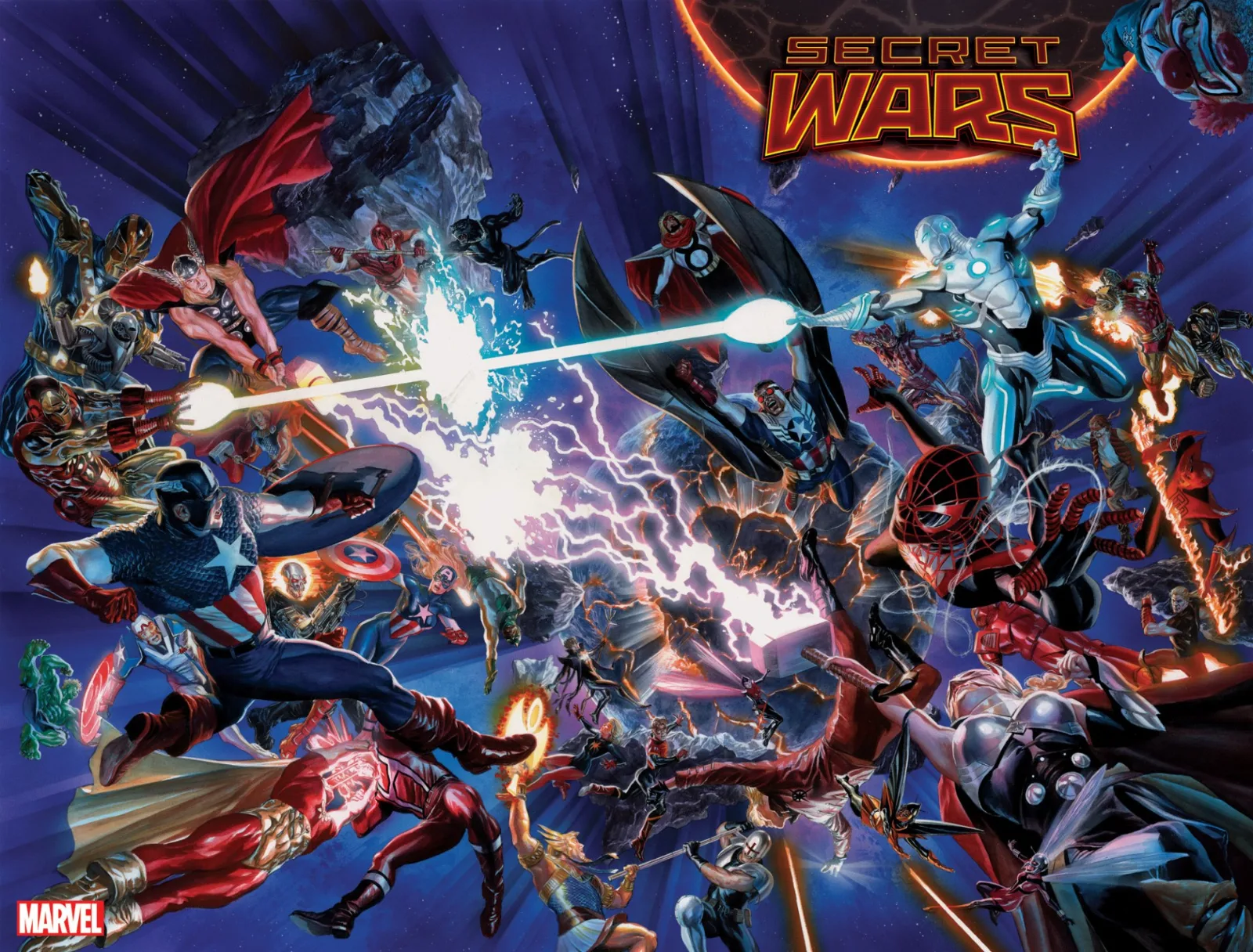
TL;DR – 2027 Comic Collecting Trends
- The top keeps breaking records: A CGC 9.0 Action Comics #1 sold privately for $15M in January 2026. Grails are now an institutional asset class.
- Moderns lead the recovery: GoCollect’s Modern Age index has been the strongest of every era over the past year—but only the right moderns are rising.
- Comic shops are booming: Direct-market dollar sales were up about 22% through August 2026, on top of a ~30% jump in 2025. New readers become new collectors.
- DC’s Absolute era reshapes modern keys: DC holds the top market share; printing and cover choice matter more than ever on Absolute books.
- $5.99 is the new $3.99: Higher cover prices quietly raise the floor on back issues and change “dollar bin” math.
- Grading finally has a fight: PSA vs. CGC competition plus 2026 fee changes make “grade or don’t” a real calculation.
- 2027 is a stacked movie year: Spider-Verse, Man of Tomorrow, The Batman Part II and Avengers: Secret Wars. Trade the calendar, not the hype.
- Mindset: Collect with data, not hype—still the rule, now with more data than ever.
What are the biggest comic book collecting and pricing trends for 2027? In short: record prices at the very top, a selective rebound in modern keys, a booming comic-shop market bringing in new collectors, rising cover prices, real competition in grading, and one of the busiest superhero movie calendars ever. The common thread is the same one we flagged last year—value follows scarcity, condition, and steady demand, not headlines.
2026 was a stronger year for the hobby than many expected. Comic shops posted growth on top of a record 2025, DC overtook Marvel in market share, and Spider-Man: Brand New Day became the first solo superhero film to cross $2 billion worldwide. This update builds on our 2026 trends guide, grades how those calls held up, and lays out what to watch next. Along the way, we’ll show how to put each trend to work in Zap-Kapow Comics Club—start with the Zap-Kapow Comics Club price guide and log your books in the Collection tracker.
How did our 2026 predictions hold up?
Before looking ahead, an honest look back at last year’s calls:
| 2026 call | Result | What happened |
|---|---|---|
| K-shaped market | ✅ Held | Records at the top (a $15M Action Comics #1), while plenty of mid-tier keys stayed soft. |
| Condition scarcity beats print scarcity | ✅ Held | High-grade, low-population copies kept pulling away from the pack. |
| Livestream selling grows | ✅ Held | Publishers now run their own live-selling channels, not just dealers. |
| Media-driven spikes are smaller | ⚠️ Mixed | A $2B Spider-Man film still moved Spidey keys—but the bumps were uneven and choppy. |
| The variant reset continues | ⚠️ Mixed | Ratio fatigue remains, but Absolute-line printings and cover choices created new collector demand. |
| Modern 9.8s face headwinds | ❌ Too bearish | The top modern keys led every era in 2026. Commodity 9.8s still struggled. |
1) The top of the market keeps setting records
The grail tier has decoupled from the rest of the hobby. A CGC 9.0 Superman #1 sold for $9.12 million at Heritage in November 2025, and that record lasted only weeks: in January 2026, Metropolis Collectibles and ComicConnect brokered a private sale of a CGC 9.0 Action Comics #1 for $15 million. Heritage’s February 2026 Signature Auction alone totaled nearly $12 million.
Even GoCollect, which tracked those sales, notes that much of the broader market spent recent years in a downturn while the very top surged. In 2027, expect that split to persist: million-dollar books are increasingly bought like art—by deep-pocketed collectors and investment-minded buyers—while everyday keys trade on fan demand.
How to act: Don’t read grail headlines as a signal that your mid-grade keys are rising too. Track the books you actually own. In Zap-Kapow Comics Club, your Collection shows estimated value per issue, so you can see whether your books are moving—not just the books on the news.
2) Modern keys lead the recovery—selectively
Here’s where we were too cautious last year. GoCollect’s Modern Age Collectible Price Index was the best-performing era in 2025 and kept climbing through 2026—from roughly 4,100 a year ago to about 4,860 by its latest review. Much of that strength is concentrated at the top of the index, with books like Invincible #1 doing the heavy lifting.
The lesson for 2027: “modern” isn’t one market. Genuine modern keys with real fan demand and limited high-grade supply are behaving like blue chips. High-print, high-population 9.8s still compete with thousands of identical slabs.
How to act: Before buying a modern slab, check the census and the gap between grades. Our guide to reading graded comic prices walks through the 9.6-vs-9.8 math. Then add targets to a custom Wish List with your max price in the Notes.
3) The comic-shop boom is minting new collectors
The direct market is having its best run in years. According to ICv2, comic-shop sales rose nearly 30% in 2025, and dollar sales in tracked shops were up another 22% from January through August 2026. Graphic novels grew even faster in shops (about 28%), and manga sales in comic stores climbed roughly 35% year to date.
Why it matters for prices: today’s new readers are tomorrow’s back-issue buyers. Readers who start with a trade or a manga volume often go looking for the first appearances and original runs behind the stories they love. That builds organic demand—the kind that holds up after a movie hype cycle fades.
How to act: Pay attention to what new readers are buying, not just what speculators are buying. Our Trending page shows which titles collectors are researching right now, and NCBD tracks each week’s new releases.
4) DC’s Absolute era rewrites the modern key list
For the first time this century, DC leads Marvel in comic-shop market share. In ICv2’s Q3 2026 data, DC held 33.6% of dollar sales to Marvel’s 29.8%, powered largely by the Absolute line, which had sold more than 8.2 million units by late 2025. Absolute Batman remains the market’s top-selling ongoing series.
That success brings a collector wrinkle: Absolute Batman #1 has gone back to press many times. When a book has double-digit printings, which printing and which cover you own matters enormously. True first prints, early variant covers, and high-grade copies separate from later printings fast. In our own Market Movers tracking since late July 2026, Absolute Batman #1 appeared on both the gainers and the losers lists—a sign that buyers are still sorting printings and grades.
How to act: Log printing and cover letter on every Absolute book in your Collection. If you’re unsure what you own, our guide to identifying variants, reprints and first prints will help you tell them apart.
5) $5.99 is the new $3.99
Cover prices crossed a line in 2026. In Marvel’s July 2026 solicitations, only one ongoing title was still priced at $3.99—$4.99 became the floor and many books landed between $5.99 and $7.99. Flagship DC titles like Action Comics and Detective Comics carry $5.99 covers, and milestone issues such as Amazing Spider-Man #1000 hit $9.99.
Higher new-comic prices ripple into the back-issue market. When a new issue costs $6, a recent back issue at $4 looks like a bargain, and the old “dollar bin” floor rises. For collectors, it also means a full-run habit costs noticeably more than it did two years ago—so budgets get choosier.
How to act: Track your true cost basis, including cover price and variants. Zap-Kapow Comics Club records what you paid alongside estimated value, so you can see your equity (value minus cost) instead of guessing. Pull lists help you trim titles you’re only buying out of habit.
6) The two-distributor era creates quiet scarcity
Diamond Comic Distributors filed for Chapter 11 in January 2025, and its comic assets were later sold to Universal Distribution and Ad Populum. Today the direct market runs mostly through two big players—Lunar Distribution and Penguin Random House—and publishers keep consolidating around them; Drawn & Quarterly moved all North American distribution to PRH effective September 2026. Even Free Comic Book Day split: Universal now owns it, and PRH ran its own Comics Giveaway Day on the same date in May 2026.
The collector angle: when smaller publishers are harder to order, shops order cautiously. Low orders mean low print runs, and a breakout indie with a tiny first printing can become genuinely scarce. Crowdfunding fills part of the gap—Oni Press and Glitch’s Murder Drones graphic novel became one of Kickstarter’s five biggest comics campaigns ever—but crowdfunded editions often never reach a shop rack at all.
How to act: Keep an eye on small-press first prints you actually enjoy reading, and note where you bought them. If a series breaks out, documented first prints and crowdfunded editions are easier to value and sell.
7) Grading finally gets a real fight
For years, CGC had something close to a monopoly on comic grading. PSA—the dominant name in card grading—opened comic and magazine submissions in July 2025, giving CGC its first serious challenger in a long time. Adoption is still early: GoCollect’s reporting from Motor City Comic Con found many collectors weren’t yet aware PSA grades comics, and CGC slabs still command the strongest resale premium for most books.
Meanwhile, CGC revised its services and fees effective January 6, 2026. Higher costs and longer waits on budget tiers raise the bar for what’s worth submitting. In 2027, watch two things: whether PSA slabs earn price parity on key comics, and whether competition pushes grading costs back down.
How to act: Run the numbers before you submit. Compare raw value, expected grade, and the price of the next grade up. Our “Making The Grade” series and our grading service comparison break down when a slab pays for itself. Record slab company, grade, and cert number in your Collection so you can compare how each grader’s copies sell over time.
8) 2027 is a stacked movie year—trade the calendar, not the hype
Spider-Man: Brand New Day proved superhero movies can still go huge—it crossed $2 billion worldwide in 2026. Next up is Avengers: Doomsday on December 18, 2026, and then a 2027 slate that puts Spider-Man, Superman, Batman, and the Avengers in theaters in the same year:
| Release date | Movie | Characters to watch |
|---|---|---|
| June 4, 2027 | Spider-Man: Beyond the Spider-Verse | Miles Morales, Spider-Gwen, Spider-Verse variants |
| July 9, 2027 | Man of Tomorrow | Superman, Lex Luthor, Brainiac |
| October 1, 2027 | The Batman Part II | Batman’s rogues gallery |
| December 17, 2027 | Avengers: Secret Wars | Doctor Doom, Beyonder, Battleworld, Secret Wars tie-ins |
Release dates are current as of October 2026 and can shift.
Our view hasn’t changed: media bumps are real, but they’re short and uneven. Prices tend to run up on casting news and trailers, then cool after release. The books that hold value afterward are the ones collectors wanted before the movie was announced.
How to act: If you spec, set entry and exit prices before the trailer drops—and stick to them. If you collect, use the hype cycle in reverse: add the keys you want to your Wish List now, set a target price, and buy after release when prices cool. Price alerts in Zap-Kapow Comics Club can tell you when a book hits your number.
9) Livestreams set street prices—and add volatility
Live selling has gone from dealer side hustle to publisher channel. Whatnot is the largest livestream shopping platform in the U.S., and publishers like IDW now host their own weekly Whatnot shows with exclusive items. Real-time bidding sets “street prices” for raw books and mid-keys faster than any guide can update.
The catch: fast price discovery is noisy price discovery. In Zap-Kapow’s own Market Movers data since late July 2026, books like Uncanny X-Men #141 and Godzilla #1 showed up on both the gainers and losers lists within the same three months. Single sales swing widely—especially for raw copies with uncertain grades.
How to act: Never price off one sale. Use the 2-of-3 rule from our selling guide: compare a guide value, recent sold comps, and current listings. Set a ceiling before the stream starts, and log what you paid in your Collection afterward.
10) AI tools are everywhere—verify before you trust
2026 brought a wave of apps promising instant cover scans, AI pre-grades, and one-tap valuations. Some are genuinely useful for quick ID and condition checks. But AI pre-grades aren’t professional grades, and a value estimate is only as good as the sales data behind it. Collectors are also increasingly asking AI assistants “what is my comic worth?”—and those answers need a reliable source.
In 2027, the winning setup is a tool that does the tedious work—identifying issues, tracking sales, flagging moves—while you keep the final call.
How to act with Zap-Kapow Comics Club:
- Scan and centralize. Add raw and slabbed books with grade (or grade estimate), printing, cover, date, and cost in your Collection.
- Price from real sales. Values in the Price Guide are built from real sold-listing data, so your total collection value reflects what books actually sell for.
- Watch the movers. Daily Market Movers highlight which keys are gaining or slipping across the catalog.
- Set alerts. Add targets to your Wish List and get notified when prices hit your number.
- Stay market-ready. When you sell, purchase price, notes, and estimated value are already in one place.
Bottom line: AI can speed up the work. It can’t replace your eye—or real sales data.
What this means for shops (and serious sellers)
- Serve the new reader: Trades, manga, and Absolute collections are bringing people in the door. Turn them into regulars with pull lists and staff picks.
- Price back issues for a $6 world: Higher cover prices justify rethinking back-issue pricing—especially recent issues and early printings.
- Know your printings: Label first prints, later printings, and cover letters clearly. Accurate listings build trust. Our grading guide helps with condition notes.
- Plan around the movie calendar: Time key-issue sales and events around trailers and release dates, then stay steady when hype cools.
What this means for everyday collectors
- Collect what you love… and check the data. Joy first, spreadsheet second. Your Zap-Kapow Comics Club dashboard keeps the spreadsheet part easy.
- Budget for higher cover prices. Trim habit buys so you can afford the books you actually want.
- Think in tiers:
- Tier A: Blue-chip keys and first appearances you’ll hold for years.
- Tier B: Modern keys with real fan demand and limited high-grade supply.
- Tier C: Fun reads, cover buys, and live-stream bargains you can move easily.
2027 buying playbook (quick hits)
- Prioritize scarcity + significance over heat—still the rule.
- On modern keys, check census and grade gaps before buying a slab.
- On Absolute and other reprinted hits, confirm printing and cover before you pay first-print prices.
- Buy movie keys early or after release—not during trailer week.
- Triangulate price with guide + recent comps + current listings; your Zap-Kapow Comics Club Price Guide value is your anchor.
- Run the grading math before submitting—and keep an eye on PSA vs. CGC results.
- Most important—collect what you’ll be proud to own if prices go sideways.
Start Your 5-Minute Collection Audit
1) Import or add a handful of books to your Collection.
2) Check each issue’s entry in the Price Guide.
3) Tag upgrades, confirm printings, and set price targets in your custom wish lists.
That’s it—you’ll have a real snapshot of value, equity, and priorities for 2027 in five minutes. New here? Join Zap-Kapow Comics Club.
FAQs: Comic Collecting & Pricing in 2027
Is the comic book market going up or down in 2027?
Both, depending on the segment. Record-setting grails and the strongest modern keys rose through 2026, and comic-shop sales grew about 22% through August 2026. But many mid-tier keys and high-population 9.8 slabs stayed flat or soft. Expect that split to continue in 2027.
What comics will go up in value in 2027?
The best candidates combine scarcity, significance, and steady demand: early keys and first appearances, low-population high grades, true first prints of modern hits, and books tied to characters fans loved before any movie was announced. Overprinted moderns with large 9.8 populations are less likely to climb.
Should I grade comics with PSA or CGC in 2027?
CGC still carries the strongest resale premium for most comics. PSA began grading comics in July 2025 and is still building recognition among comic buyers. For high-value keys you plan to sell, CGC remains the safer choice today; watch PSA sale results through 2027.
Which 2027 movies could move comic prices?
Spider-Man: Beyond the Spider-Verse (June 4), Man of Tomorrow (July 9), The Batman Part II (October 1), and Avengers: Secret Wars (December 17) are the big ones, with Avengers: Doomsday arriving December 18, 2026. Price bumps usually come with casting news and trailers and often fade after release.
Why are new comics so expensive now?
Production, paper, and distribution costs have pushed cover prices up. By mid-2026, $4.99 had become the floor for nearly every Marvel title, and many Marvel and DC books cost $5.99 or more. Higher cover prices also raise the price floor for recent back issues.
What’s the best way to price a comic to sell in 2027?
Compare three signals: a trusted price guide like Zap-Kapow Comics Club, recent sold comps, and current listings. Price where at least two agree, confirm the printing and cover, include clear photos and grader-style notes, and adjust quickly if the book doesn’t move.
Sources
- GoCollect: private sale signals continued strength at the top of the comic market
- GoCollect: Collectible Price Index review
- GoCollect: CPI 2025 year in review
- ICv2: Direct market comic and graphic novel sales continue to climb in 2026
- ICv2: Q3 2026 comic store market shares
- Bleeding Cool: Marvel July 2026 cover prices
- Smash Pages: Diamond asset sale and distribution news
- cllct: PSA begins grading comics and magazines
- CGC: revised services and fees for 2026
- GamesRadar: Avengers: Doomsday and Secret Wars release dates
- tbreak: Spider-Man: Brand New Day crosses $2 billion
- ICv2: Whatnot and the direct market