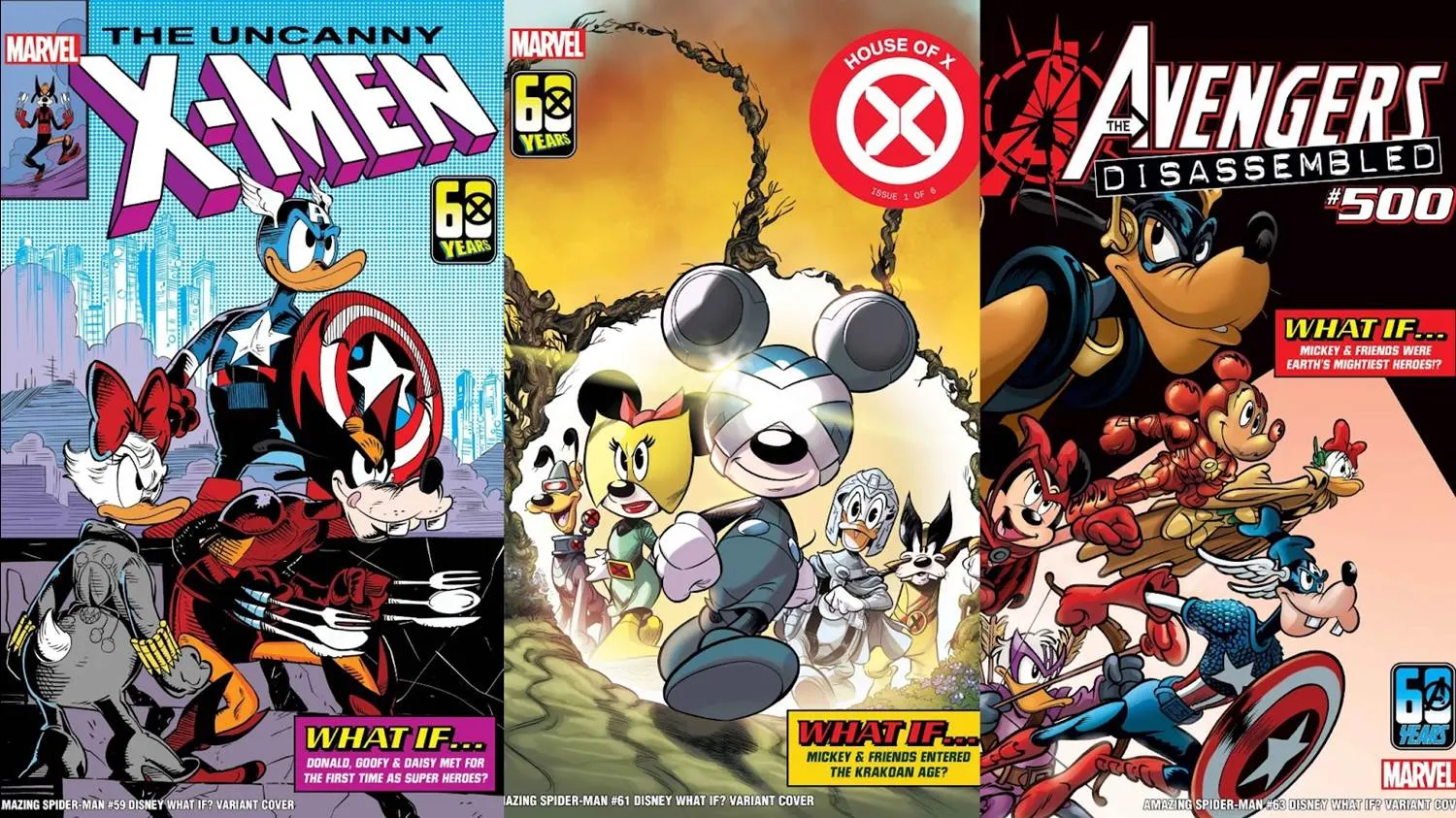
TL;DR – Identifying variants, reprints, and first prints
- Start with the indicia: Check the small print inside the front pages for the official title, issue number, and printing line.
- Read the printer’s key: A number line that includes “1” usually indicates a first print; the lowest number present is the printing.
- Scan the barcode: Barcode add-ons often encode issue, printing, and variant; mismatched codes can reveal a reprint or alternate cover.
- Compare the cover: Look for price box differences, color swaps, banner text, foil, and “2nd print” callouts that separate versions.
- Check interior tells: Credits page dates, ad pages, and back-matter can differ between printings and variants.
- Paper and ink: Stock, gloss, and color density sometimes change on later printings or retailer incentives.
- Variant vs reprint: Variants are same printing with different covers; reprints are new printings and may change art or colors.
- Newsstand vs direct: Distribution type can change the barcode and rarity profile without changing the printing.
- Watch for facsimiles: Modern reprints of classics often mimic originals but include updated indicia, barcodes, and pricing.
- Document your findings: Photograph indicia and barcodes and keep notes so details are easy to verify later.
Knowing whether your comic is a first print, reprint, or variant can make the difference between a dollar bin find and a thousand-dollar key. Here’s how to tell the difference step by step.
Why It Matters
Collectors and sellers alike know that the difference between a first print and a reprint—or a rare variant cover—can dramatically change a comic’s value. At Zap-Kapow Comics Club, we make it easy to track and value every version of your comics, from raw to graded, and across multiple printings and variants. Understanding these basics helps you better keep your collection accurate.
Step 1: Check the Indicia
The indicia is the small block of text—usually on the first inside page—that includes publication details. Look for words like “Second Printing” or “Reprint.” Many publishers clearly mark later printings here, though not all.
Q: What is the indicia?
A: It’s the legal fine print in your comic, often at the bottom of the first page, listing publisher info, year, and sometimes print number.
Step 2: Study the Cover
Variant covers are often the easiest to spot. Publishers release alternate artwork for the same issue, sometimes as retailer incentives or limited runs. Look closely at:
- Artwork: A completely different cover image than the standard issue.
- Color Shifts: Subtle palette changes or background swaps.
- Logos/Trade Dress: Some variants remove or minimize logos (often called “virgin” covers).
Q: Are variants always more valuable?
A: Not always. Value depends on rarity, demand, and condition. Some variants are more common than the standard edition.
Step 3: Decode the Barcode
Modern comics (especially post-1980s) often feature a barcode box on the cover. The last digit is key:
- First print: Usually ends with “1.”
- Second print: “2.”
- Variant: Sometimes ends with another number entirely, like “3” or “4.”
Q: Do all comics have barcodes?
A: No. Direct editions (sold in comic shops) often used logos instead of barcodes. Newsstand editions used barcodes more consistently.
Step 4: Look for Publisher Notes
Publishers like Marvel and DC often mark second prints with distinct cover notations, such as a color-tinted background or an explicit “Second Printing” label. Independent publishers may use subtle clues, so it’s worth cross-checking.
Step 5: Compare with Reliable Data
Once you’ve gathered clues, confirm them using a trusted comic database. Zap-Kapow Comics Club provides a vast, daily-updated price guide that includes first prints, later printings, and all known variants. You can scan a barcode or search by title and issue number to get instant clarity.
Common Collector Mistakes
- Assuming cover art = first print: Sometimes reprints reuse the original artwork.
- Ignoring the indicia: Skipping this step can cost you accuracy.
- Confusing newsstand vs. direct editions: They’re technically variants, but not all are more valuable.
Final Takeaway
Identifying whether a comic is a first print, reprint, or variant isn’t just trivia—it’s a skill that adds accuracy to your collection, confidence to your trades, and clarity to your insurance values. With tools like Zap-Kapow Comics Club, you don’t have to guess: scan, search, and know exactly what you own.
Identifying variants, reprints, and first prints FAQs
Where do I find the indicia?
Usually on the first interior page or the inside front cover. It lists the official title, issue number, and printing information.
How do I read the printer’s key or number line?
The lowest number shown is the printing. If you see “1 2 3 4,” that is a first print; if “2 3 4,” that is a second print.
What is the difference between a variant and a reprint?
A variant is a different cover of the same printing. A reprint is a new printing of the same issue, sometimes with altered colors or design notes.
Can the barcode tell me printing or variant?
Often yes. The barcode and its add-on digits can encode issue, printing, and variant. Compare to the indicia to confirm.
Are newsstand editions variants?
They are distribution variants. They may have different barcodes and relative scarcity but share the same printing unless otherwise indicated.
Do later printings always say “second print” on the cover?
No. Some do, others change a color element or add a small tag. Always verify with the indicia and number line.
How can I spot a modern facsimile edition?
Check for current cover price and barcode, updated indicia year, and publisher notes indicating a facsimile or reprint.
What if the indicia and barcode do not match?
Trust the indicia first. Mismatches can happen due to printing or data errors. Use multiple tells before deciding.
Which interior details should I compare between copies?
Credits page dates, ad pages, page counts, and final page notes often change between printings or retailer incentives.
Any quick process I can follow every time?
Check indicia, read the number line, scan the barcode, compare cover elements, then confirm interior pages. Photograph each step for your records.