
A local comic shop is defined as a specialty retail store that functions simultaneously as a cultural hub, social gathering space, and economic lifeline for the comic book industry. The local comic shop role explained simply is this: these stores do far more than sell comics. They curate collections, build communities, and keep physical comic culture alive in a world that increasingly pushes readers toward screens. Green Brain Comics, for example, has delivered 41 years of community service as of 2026, with current ownership running the store for 25 of those years. That kind of longevity does not happen by accident. It happens because local comic shops fill a role no algorithm or online retailer can replicate.
What are the primary functions of a local comic shop?
Local comic shops operate on a business model that is genuinely unlike almost any other retail format. The most defining feature is the non-returnable inventory model, which means shop owners bear full financial risk for every issue they order. If a title does not sell, the owner eats the cost. There are no returns to the distributor. That reality shapes every single purchasing decision a shop owner makes.
To manage that risk, most shops rely heavily on pull lists and subscription systems. A pull list is a standing order a customer places for specific titles each week. The shop owner knows exactly how many copies to order, which reduces waste and guarantees revenue. This system is one of the most practical functions of comic shops and one that casual readers rarely think about.
Beyond inventory management, shop owners serve as what many in the industry call human curators. They recommend new titles, explain ongoing storylines to confused newcomers, and track weekly sales trends to spot what is resonating with readers. No streaming service recommendation engine does that with the same personal touch.
Here is what the core operational functions of a local comic shop actually look like in practice:
- Inventory curation: Owners select titles based on community taste, not just bestseller lists.
- Pull list management: Subscription orders guarantee sales and help owners forecast inventory.
- New reader onboarding: Staff walk newcomers through storylines, characters, and entry points.
- Back issue sales: Shops maintain archives of older issues that are impossible to find elsewhere.
- Event hosting: Signings, release parties, and themed nights drive foot traffic and community loyalty.
Pro Tip: If you are new to a shop, tell the staff one movie, TV show, or genre you love. A good shop owner will hand you the perfect first comic within two minutes.
Successful new shop owners often spend up to 3 years planning before opening, attending business classes and running pop-up events to test their market. That level of preparation reflects just how demanding the model is.
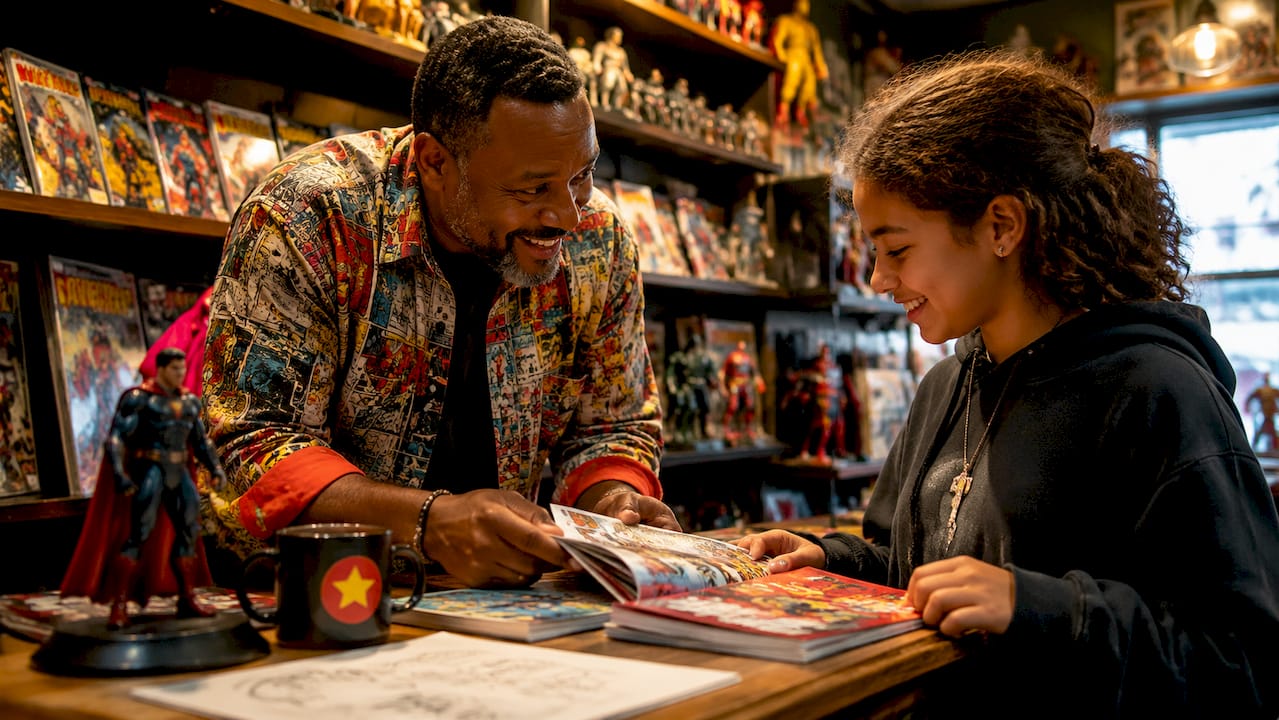
How do local comic shops foster community and social engagement?
Local comic shops are among the best examples of what urban sociologists call “third spaces.” A third space is any location that is not home and not work, where people gather freely and form social bonds. Comic shops fit this definition perfectly. They host wrestling watch parties, trivia nights, book clubs, and charity events that bring fans together around shared passions.
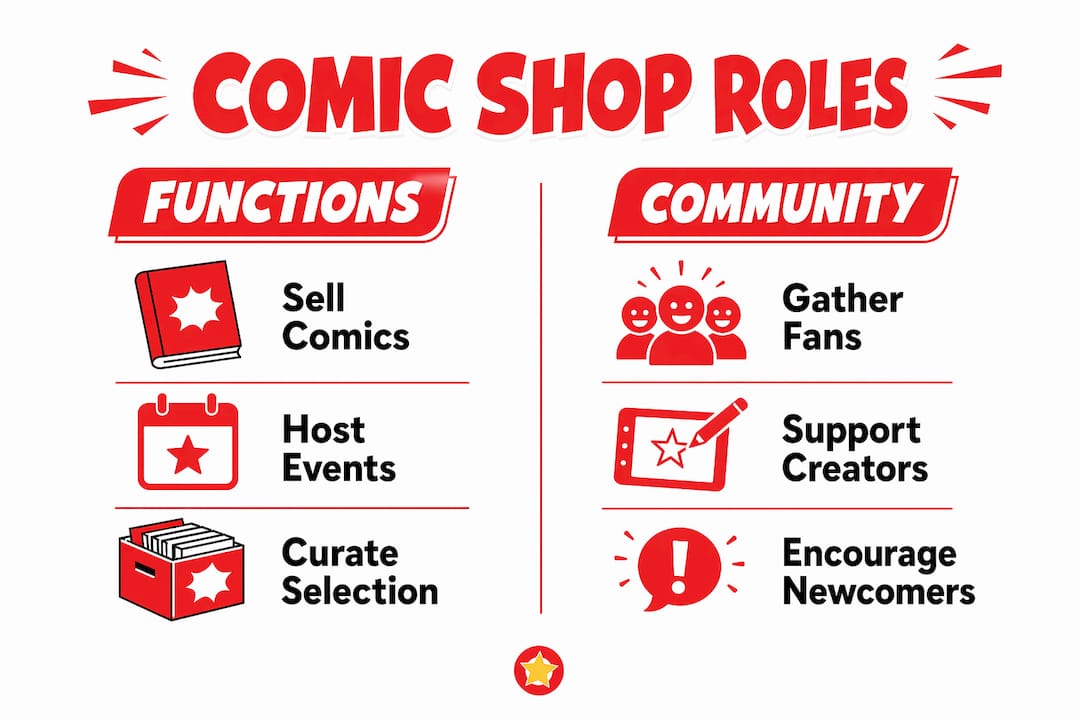
Strangeways Comics is a strong example of this in action. The store has built inclusive community events that welcome college students, families, and longtime collectors under the same roof. That kind of cross-generational mixing is rare in modern retail. Most stores optimize for transactions. Comic shops optimize for belonging.
The social impact runs deeper than casual hangouts. Many adults point to their local comic shop as the place where they formed their closest friendships. These are not just hobby connections. They are foundational social circles that persist for decades. The shop becomes the backdrop for a community that extends far beyond the four walls of the store.
Here is how the best comic shops build that kind of lasting engagement:
- Weekly new release days create a reliable ritual that brings regulars back every Wednesday or Thursday.
- Creator signings and appearances give fans direct access to the people making the comics they love.
- Themed events like cosplay nights or movie watch parties lower the barrier for newcomers who might feel intimidated by the hobby.
- Youth programs and reading groups introduce younger readers to comics in a welcoming, structured setting.
- Charity drives and local partnerships connect the shop to the broader neighborhood, not just the fan base.
Pro Tip: Check your local shop’s social media before your first visit. Most shops post their event calendar there, and showing up on a themed night is the fastest way to meet other fans.
Comic shops in places like New York and Colorado have built reputations as genuine community anchors, drawing fans from across their regions specifically for the social experience.
What is the economic importance and current challenges faced by local comic shops?
The economic reality of running a local comic shop is tough. Physical retail costs are high, and the non-returnable inventory model means a string of bad ordering decisions can seriously damage a store’s finances. The importance of local comic stores to the industry is real, but the industry does not always make it easy for them to survive.
One of the biggest threats is online discount buying. When readers purchase comics from large online retailers at steep discounts, the local shop loses that sale entirely. Experts warn that this behavior directly threatens shop survival, particularly as some major retailers have already closed their doors. Every dollar spent online instead of locally is a dollar that does not help keep the lights on at your neighborhood store.
There is also a structural challenge that goes back decades. When comics moved out of general retail spaces like drugstores and newsstands and into specialty shops, it stabilized the industry. But it also created what analysts call a silo effect. Comics became harder for casual readers to stumble across. New reader growth slowed. Audiences aged. The specialty model saved comics in the short term but created long-term accessibility problems.
| Challenge | Impact on local shops |
|---|---|
| Non-returnable inventory | Full financial risk on every unsold issue |
| Online discount competition | Lost sales to large retailers offering steep price cuts |
| Silo effect | Reduced casual discovery and new reader growth |
| Rising retail costs | Pressure on margins in an already thin-margin business |
| Digital content growth | Readers shifting to apps and subscriptions over physical issues |
The shops that survive these pressures do so by diversifying. Events, exclusive merchandise, graded comic sales, and community programs all add revenue streams that pure online retailers cannot match.
How can readers and fans support their local comic shops?
Supporting a local comic shop does not require spending a fortune. The most impactful thing any reader can do is preorder. When you place a preorder, the shop owner knows exactly how many copies to stock. That reduces waste, reduces financial risk, and keeps the store healthier. Buying indie titles locally instead of hunting for online discounts makes a measurable difference to a small business operating on thin margins.
Participation matters just as much as purchasing. Showing up to events, bringing a friend who has never been to a comic shop, and posting about the store on social media all help. Word of mouth is still one of the most powerful tools a small retailer has, and fans who genuinely love their shop are its best marketing.
For readers who feel intimidated by the hobby, asking staff for help is the single most effective way to get started. The perceived exclusivity of comic shops is mostly a myth. Most staff are thrilled to recommend a starting point based on your interests. You do not need to know decades of continuity to walk in and find something you will love.
Here are the most practical ways to support and engage with your local shop:
- Preorder titles you plan to buy. It costs nothing extra and directly helps the owner manage inventory.
- Buy indie and small press titles locally. These are the books most likely to be dropped if sales disappoint.
- Attend at least one event per month. Your presence signals to the owner that community programming is worth continuing.
- Bring a new reader. Every new fan who walks through the door is a potential lifelong customer.
- Leave a review online. A five-star Google review takes two minutes and helps new readers find the shop.
Fans in states like Indiana have access to shops that actively promote indie titles and community events. Finding and supporting those stores is one of the best things a fan can do for the broader comic ecosystem.
Key Takeaways
Local comic shops are the irreplaceable social, cultural, and economic backbone of the comic book industry, and their survival depends directly on active community support.
| Point | Details |
|---|---|
| Non-returnable inventory model | Shop owners bear full financial risk, making preorders and pull lists critical for store survival. |
| Third space community role | Comic shops host events and build social circles that create lifelong friendships beyond the hobby. |
| Silo effect challenge | Moving comics to specialty retail stabilized the industry but reduced casual discovery and new reader growth. |
| Human curation advantage | Staff recommendations and personalized service deliver an experience no online retailer can match. |
| Fan support actions | Preordering, attending events, and buying indie titles locally are the most effective ways to keep shops open. |
Our take on why local comic shops still matter in 2026
We have watched the conversation around local comic shops shift dramatically over the past several years. The loudest voices tend to focus on the economic threat, and yes, the numbers are real. But we think the more interesting story is what happens when a shop gets it right.
The shops that thrive in 2026 are not just selling comics. They are selling belonging. They are the places where a teenager who feels out of place everywhere else walks in and finds their people. They are where a 50-year-old collector and a 20-year-old newcomer end up talking for an hour about a run neither of them expected to love. That kind of connection does not happen on a digital storefront.
We also think the silo effect critique is worth sitting with honestly. Specialty retail saved the industry, but it also made comics feel like a members-only club. The best shops we have seen are actively working against that perception. They host beginner nights. They stock accessible entry points. They train staff to welcome questions instead of signaling expertise. That is the version of the local comic shop that deserves to survive.
The practical reality is this: if you love comics and you want physical comic culture to exist in ten years, your local shop needs you to show up. Not occasionally. Regularly. The comic shop community role is only as strong as the community that fills it.
Zap-Kapow Comics Club: your collection, powered up
Your local comic shop is where the magic happens in person. Zap-Kapow Comics Club is where you track everything that comes home with you.
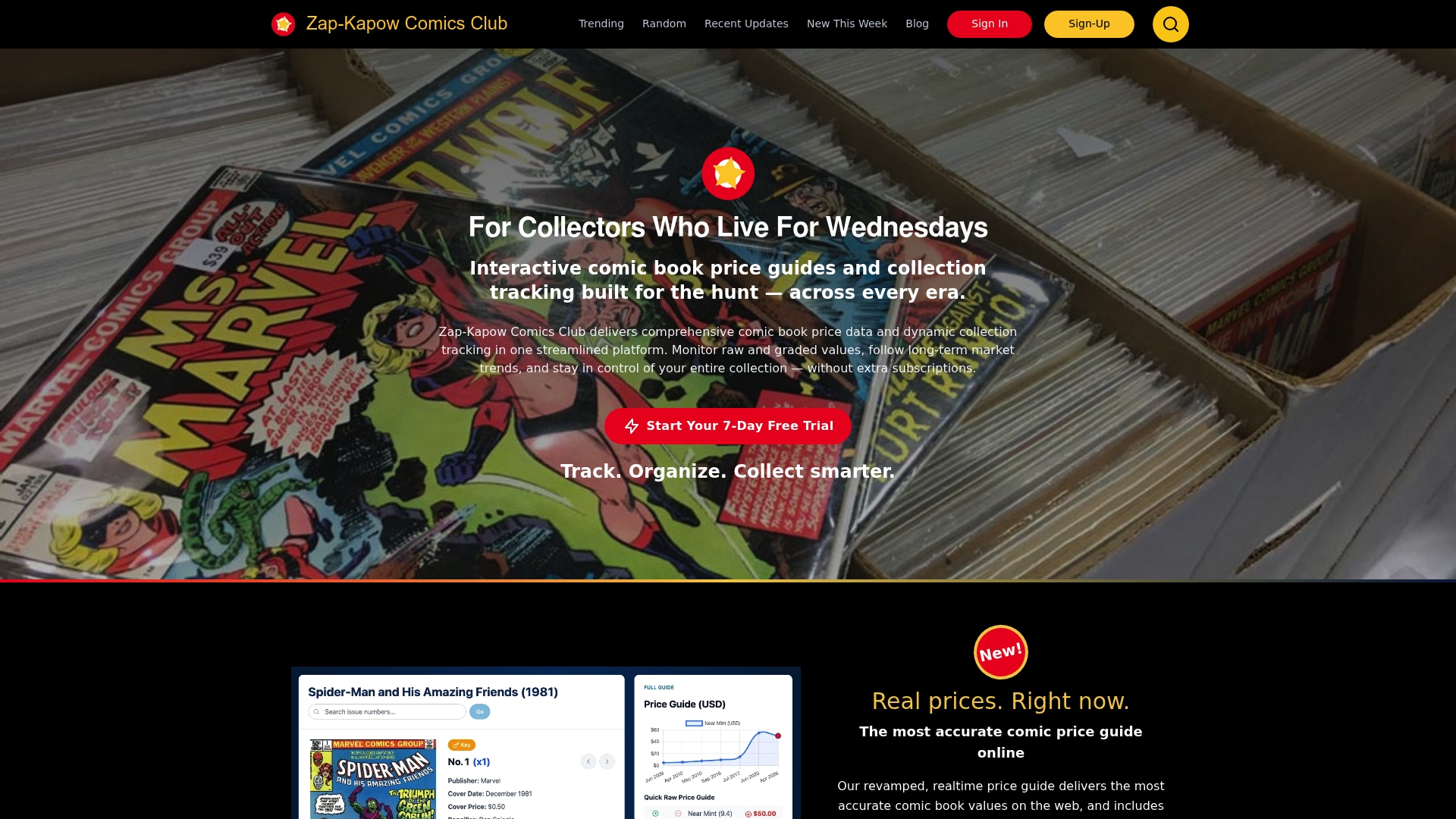
Zap-Kapow Comics Club gives you access to a full comic price guide and collection tracker that covers both raw and graded values. You can monitor long-term market trends, spot which issues in your collection are climbing in value, and stay on top of trending titles before they sell out at your local shop. Whether you are a seasoned collector or just getting started, Zap-Kapow Comics Club keeps your collection organized and your knowledge sharp. No extra subscriptions, no guesswork on values. Just clean, reliable data that makes every trip to your local shop more rewarding.
FAQ
What does a local comic shop actually do?
A local comic shop sells comics, graphic novels, and collectibles while also serving as a community hub through events, pull list subscriptions, and personalized staff recommendations. It functions as a cultural and social anchor for the comic book community.
Why are local comic shops important to the industry?
Local comic shops are the primary retail channel for new comic releases and bear full financial risk through the non-returnable inventory model. Their survival directly supports publishers, creators, and the broader comic ecosystem.
What is a pull list at a comic shop?
A pull list is a standing subscription order where a customer reserves specific titles each week. It guarantees the shop owner a sale and ensures the reader never misses an issue of their favorite series.
How can I support my local comic shop without spending a lot?
Preordering titles, attending free events, leaving online reviews, and bringing new readers to the store are all high-impact ways to support a local shop without increasing your spending.
Are local comic shops welcoming to newcomers?
Most local comic shops actively welcome newcomers, and asking staff for recommendations based on your interests is the fastest way to find comics you will love without needing any prior knowledge of the hobby.