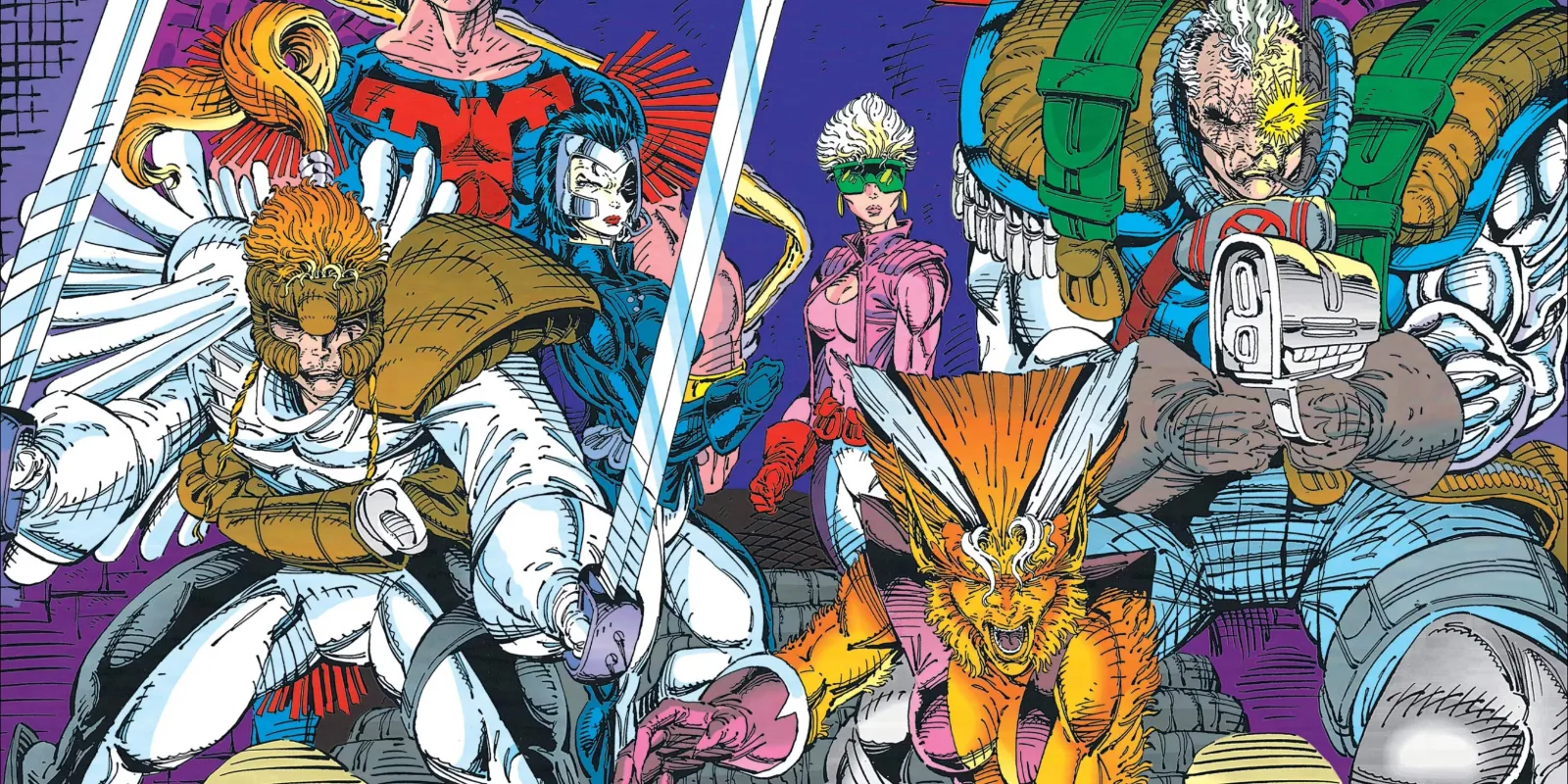
The 1990s have a reputation — and not a great one. It's the decade of foil covers, polybags, "collector's editions" and a speculation bubble that nearly wrecked the comic industry. So if you've got a long box of 90s books in the closet, the honest answer is: most of them aren't worth much. But a handful are genuine keys worth real money. Here's how to tell the difference.
Why most 90s comics aren't worth much
The core problem is simple: overproduction. During the early-90s boom, publishers printed enormous quantities, and collectors bought multiple copies of hot issues expecting them to appreciate. Books like X-Men #1 (1991) and Spawn #1 sold in the millions. When everyone saves a "rare" comic, it stops being rare — so most of those speculator darlings are common and inexpensive today, even in nice shape.
What actually makes a 90s comic valuable
Value in the 90s comes down to a few specific things:
- First appearances. A key first appearance of a character who stayed popular is the number-one driver, regardless of decade.
- Scarcity. Later issues of a series after the print run dropped, small-press indies, and low-distribution books are far harder to find than the overproduced hits.
- Newsstand editions. Newsstand copies (with a UPC barcode) were printed in smaller numbers than direct-market copies and command a premium, especially in high grade.
- Grade. Because so many 90s books exist, a high-grade CGC copy can be worth many times a raw one — condition is often the whole story.
The 90s keys that are genuinely worth money
A few 90s books are blue-chip keys despite the decade's reputation:
- New Mutants #98 (1991) — the first appearance of Deadpool. One of the most valuable modern keys, driven by Deadpool's film success.
- Batman Adventures #12 (1993) — the first comic appearance of Harley Quinn, who debuted on Batman: The Animated Series. A soaring key.
- Bone #1 (1991) — Jeff Smith's self-published fantasy debut, printed in a tiny run before it became a sensation. Genuinely scarce.
Notice the pattern: these are first appearances or scarce books — not the overproduced "hot" issues everyone saved.
How to check what yours are really worth
The fastest way to separate the keys from the filler is to look each book up against live market data — actual recent sales, by grade, not a decades-old guidebook. Look up any comic's value to see what your copy is selling for right now, including graded (CGC) prices.
And to see the decade's heaviest hitters in one place, browse the most valuable comics of the 1990s — ranked by current market value and refreshed automatically.
Frequently asked questions
Are 90s comics worth anything?
Most aren't — the decade was massively overproduced. But a small set of keys (first appearances and scarce books) are genuinely valuable, especially in high grade.
What 90s comics are valuable?
Mostly first appearances and scarce indies — New Mutants #98 (first Deadpool), Batman Adventures #12 (first Harley Quinn), Bone #1, and similar keys.
Why are most 90s comics worthless?
Overproduction. Huge print runs plus collectors hoarding multiple copies means supply still dwarfs demand for most issues.
How do I know if my 90s comic is valuable?
Check if it's a key (first appearance/major event), whether it's a scarce or newsstand edition, and its grade — then look it up against live values.