The 25 Most Valuable Batman Comics
Batman is one of the longest-running and most collected characters in comics, and his self-titled series is home to some of the most valuable books in the entire hobby. From the first Joker and Catwoman to the debuts of Poison Ivy, Mr. Freeze, and Deadshot, the run is packed with era-defining keys. Below are the most valuable Batman comics, ranked by current raw Near Mint (9.4) value and refreshed automatically from live market data.
The Golden Age issues sit at the very top — Batman #1 is one of the most valuable comic books ever printed — while later Silver Age villain debuts and modern keys fill out a list that spans more than eighty years of publishing.
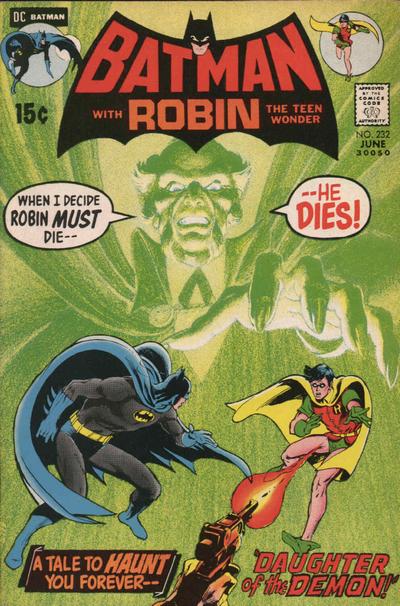
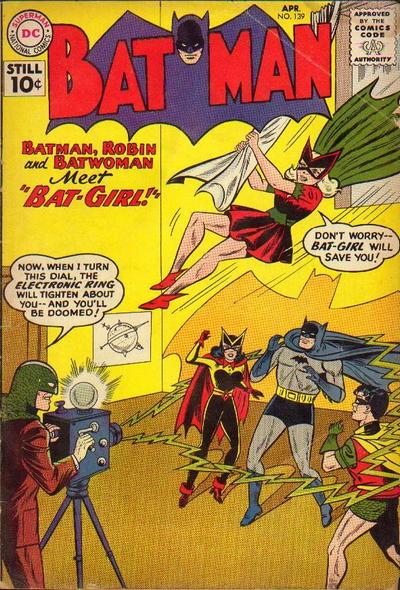
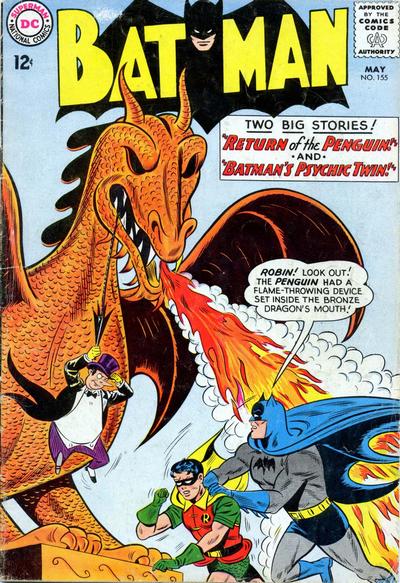
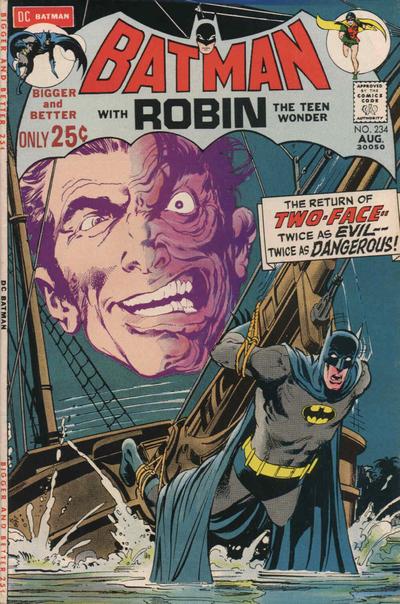
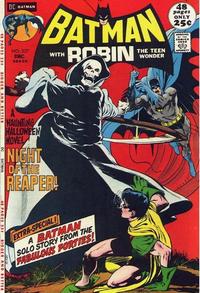
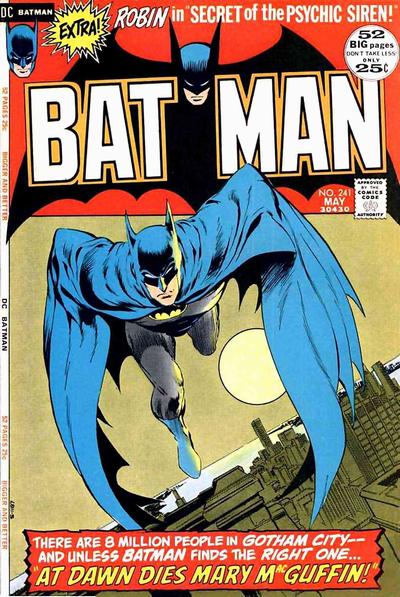
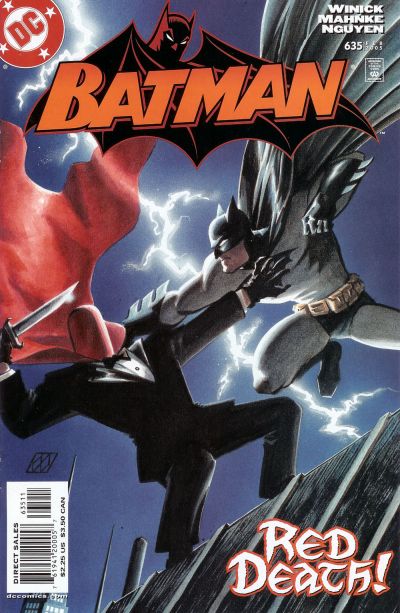
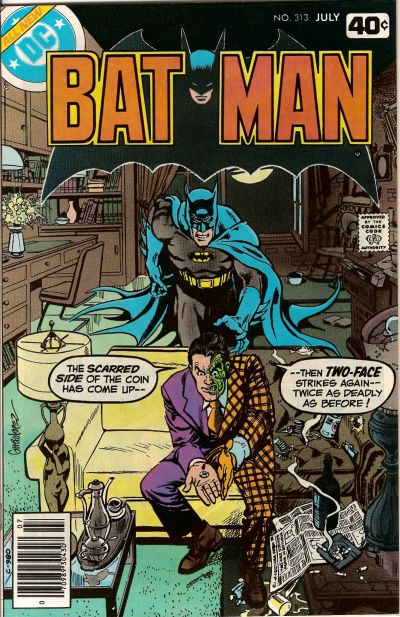
Values are raw Near Mint (9.4) estimates from live market data and change over time. Want a specific book? Look up any comic’s value.
The most valuable Batman keys
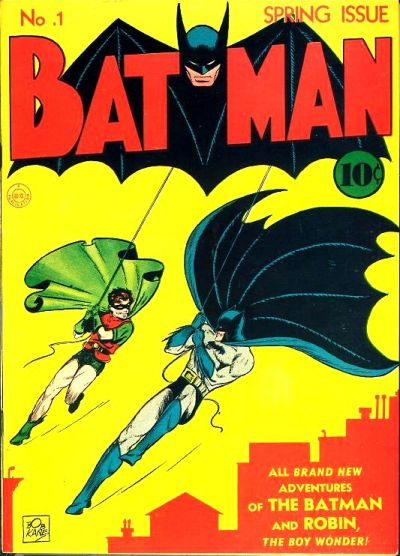
Batman #1 (1940) towers over the entire list — the first appearances of both the Joker and Catwoman in a single Golden Age issue, and one of the most valuable comic books in existence. Even well-worn copies sell for five and six figures.
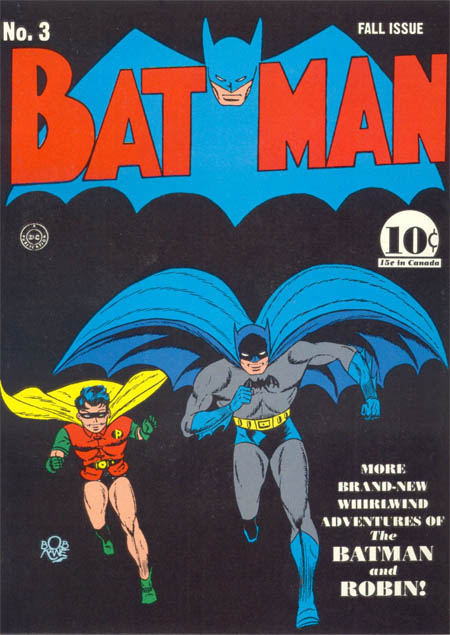
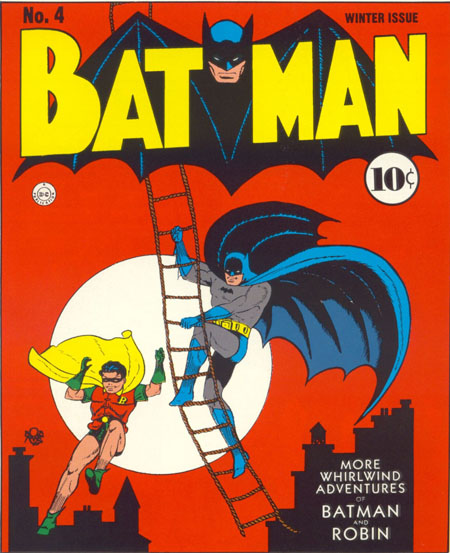
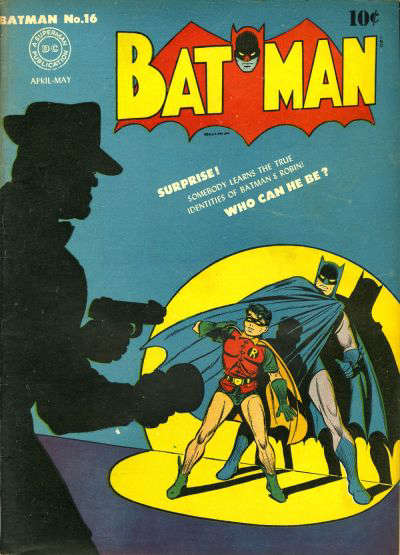
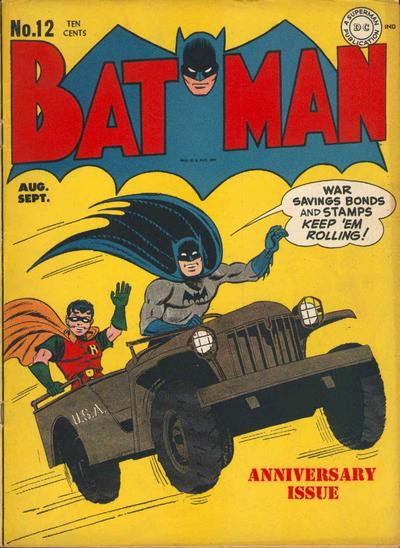
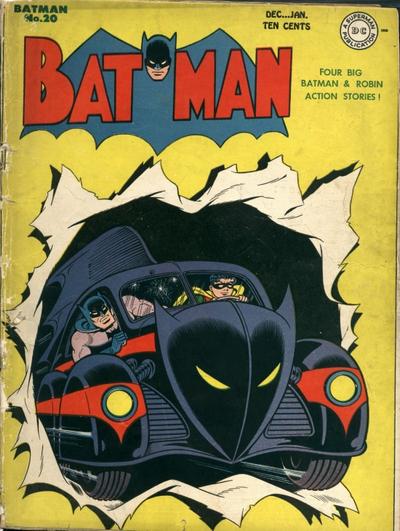
The early run keeps building the mythos: #3 (1940) is the first Catwoman in costume, #4 (1940) names Gotham City, #16 (1943) introduces Alfred Pennyworth, #12 (1942) the Batcave, and #20 (1943) the Batmobile — the foundational elements of the Batman world.
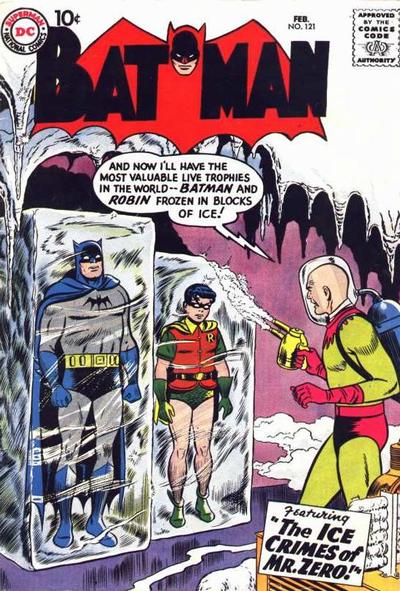
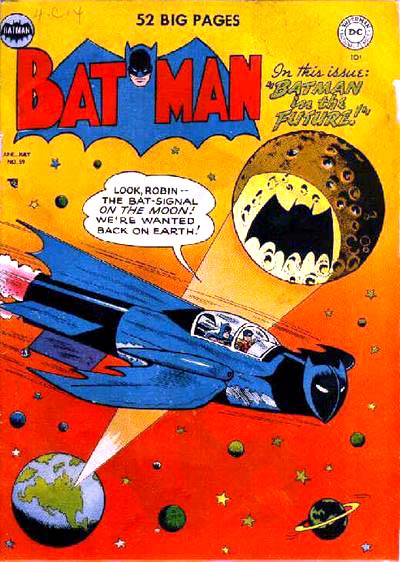
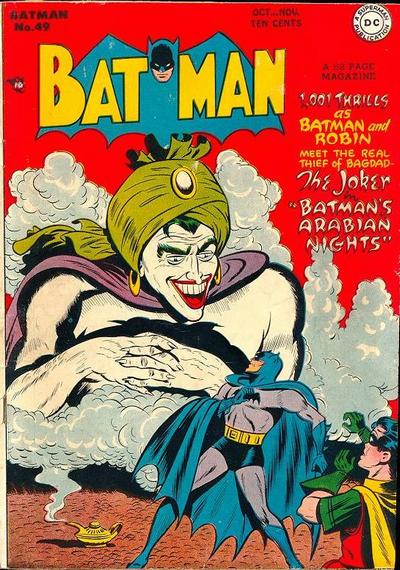
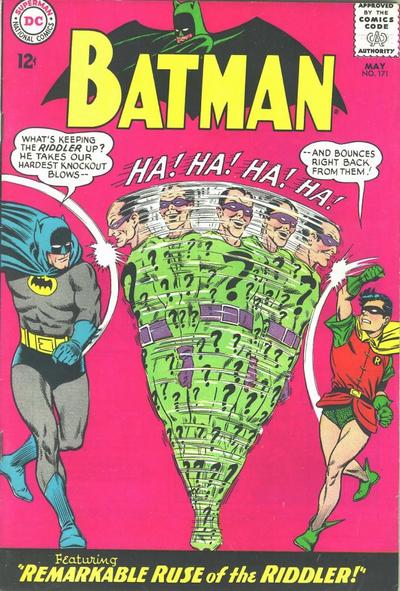
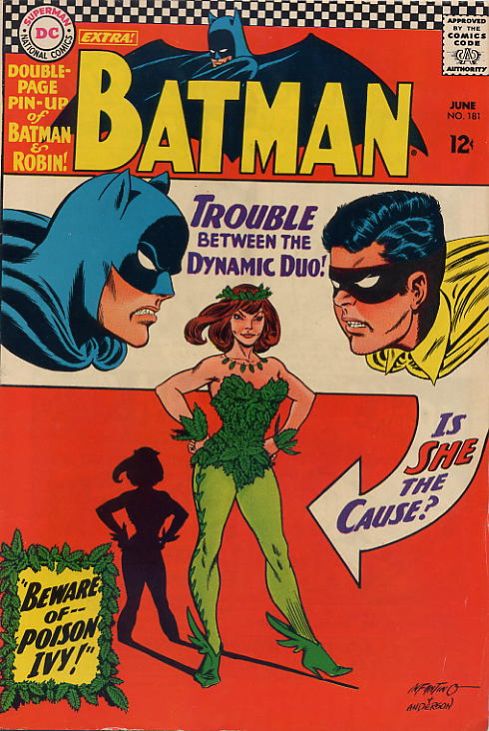
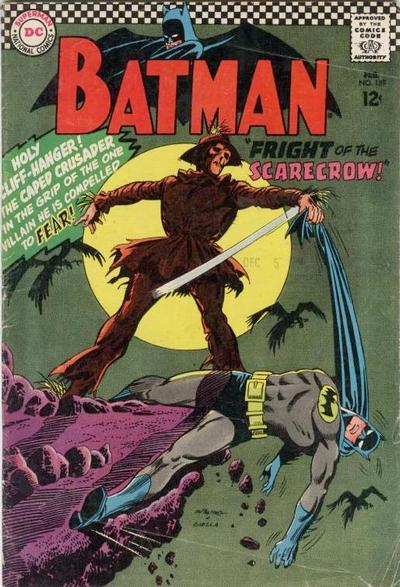
Silver Age villain debuts round out the top tier: #181 (1966) is the first Poison Ivy, #121 (1959) the first Mr. Freeze (as Mr. Zero), #59 (1950) the first Deadshot, and #49 (1948) the first Mad Hatter. Later keys like the first Silver Age Riddler (#171) and Scarecrow (#189) add to a remarkably deep run of first appearances.
What makes a Batman comic valuable
Batman’s value is driven by age and first appearances more than almost any other title. The Golden Age issues (the 1940s) are scarce in any grade and introduce the character’s core cast and villains, so they dominate the top of the list. Silver and Bronze Age villain debuts — Poison Ivy, Mr. Freeze, Ra’s al Ghul — earn their place through decades of film and television exposure.
Condition is decisive, and never more so than for the Golden Age keys, where high-grade survivors are extraordinarily rare. Raw Near Mint (9.4) is the benchmark shown here; professionally graded (CGC) copies of the early issues trade at enormous premiums, and for Batman #1 the difference between grades can run into the millions.
How these values are calculated
The figures here are raw Near Mint (9.4) values derived from recent sales and refreshed automatically — not a fixed annual guide. Click any issue for its full condition-by-grade breakdown, graded (CGC) values, and price history. Values are estimates and the market moves, so treat them as a current snapshot rather than a formal appraisal.
Frequently Asked Questions
What is the most valuable Batman comic?
As of October 2026, Batman (1940) #1 (first appearance of Joker, Selina Kyle (Catwoman)) is the most valuable, with a raw Near Mint value around $2,100,000.
What is the most valuable Batman comic?
Batman #1 (1940) is by far the most valuable issue of the title — it contains the first appearances of both the Joker and Catwoman, making it one of the most valuable comic books ever printed.
Which Batman issue is the first Poison Ivy?
Batman #181 (1966) is the first appearance of Poison Ivy — a Silver Age key that remains one of the run’s most sought-after villain debuts.
Is Batman #1 the character’s first appearance?
No — Batman first appeared in Detective Comics #27 (1939). Batman #1 (1940) is his first solo title, and it debuts the Joker and Catwoman, which is why it’s so valuable.
Are graded (CGC) Batman comics worth more than raw copies?
Almost always, and dramatically so for the Golden and Silver Age issues. High-grade survivors are rare, so CGC-certified copies command large premiums over raw. Click any issue for its graded pricing.
How often do these values update?
Automatically, from live market data — so this list reflects the current market, not a static annual guide.