The 25 Most Valuable Comic Books From the 1990s
The 1990s were the speculation era of comics — foil covers, polybagged variants, and record print runs. Most of those books are worth pocket change today. But the decade also introduced some of the most important characters in modern comics, and its scarcer indie first issues have become genuinely valuable. Below are the most valuable key 1990s comics, ranked by current raw Near Mint (9.4) value and refreshed automatically from live market data.
Nearly every book here is a first appearance — the debut of a character who later broke out in film, TV, or games. That's the throughline of 90s value: overproduction crushed the common issues, so what survives at a premium is the keys, and especially the small-press ones printed before anyone was paying attention.

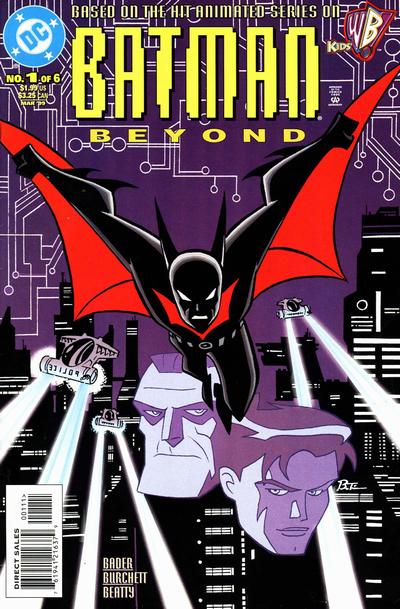
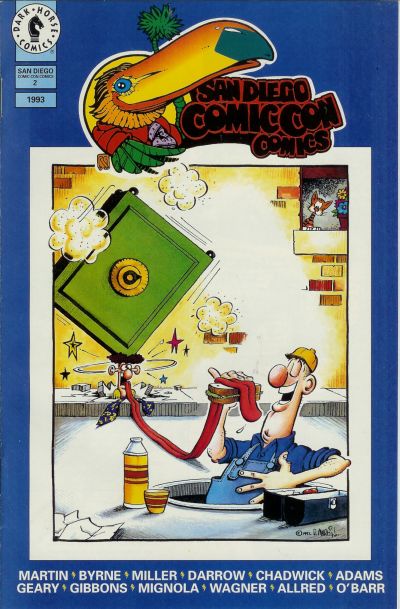
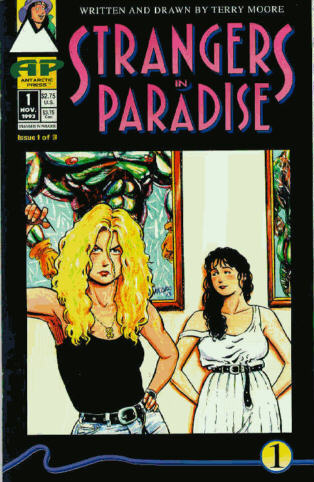
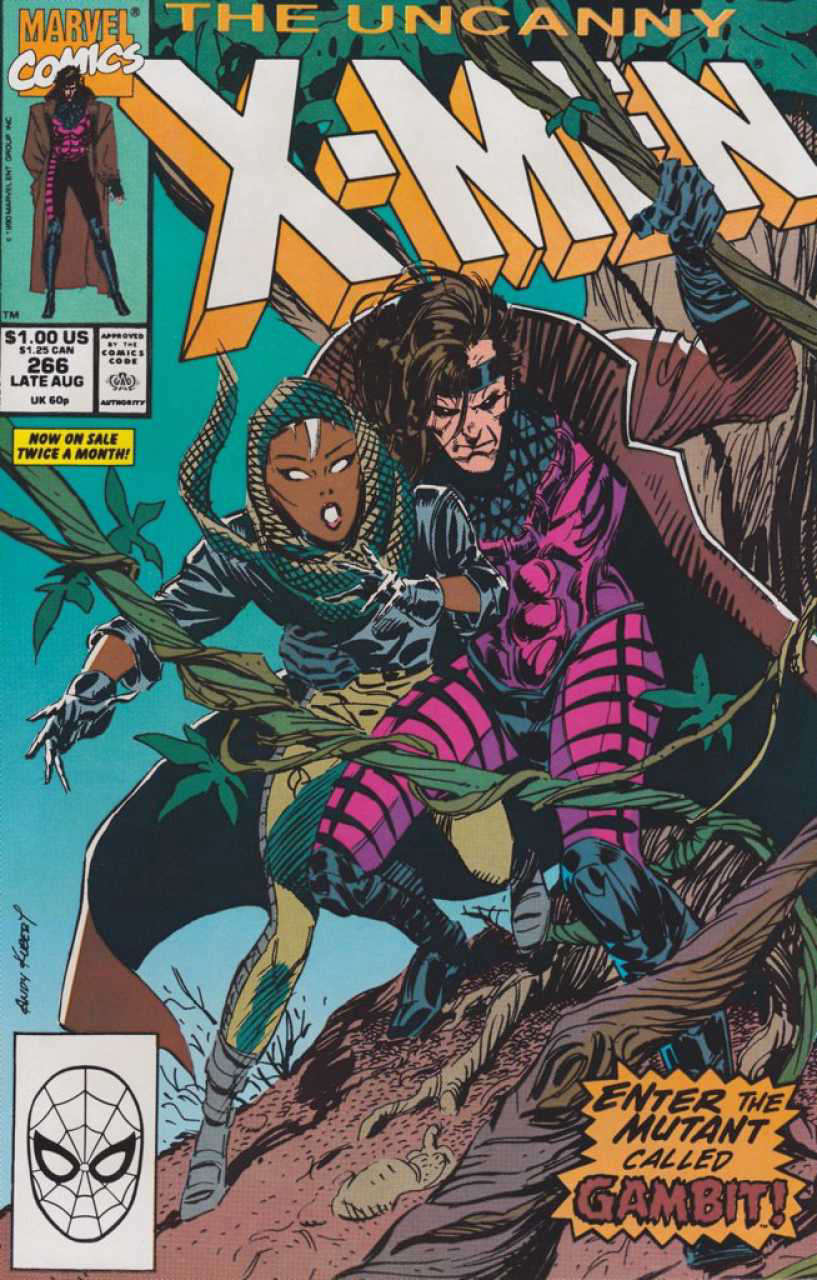


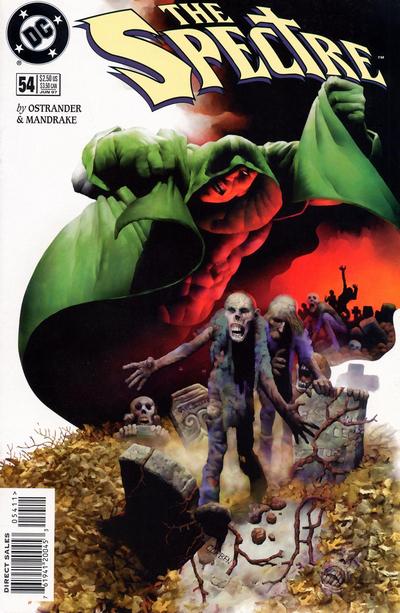
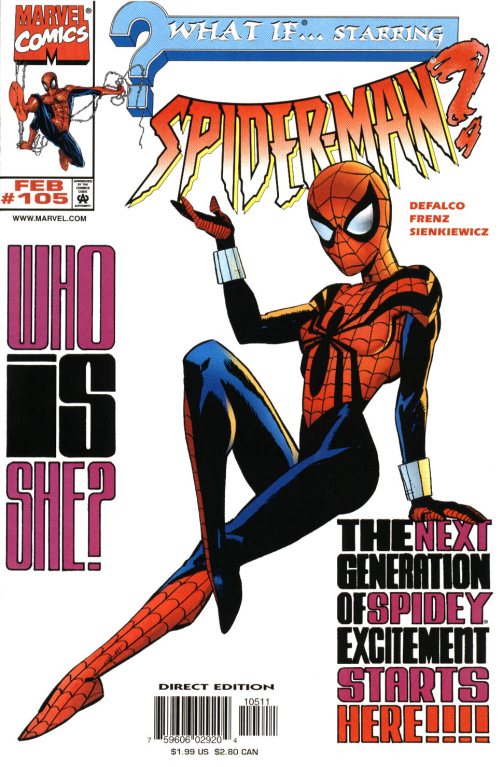
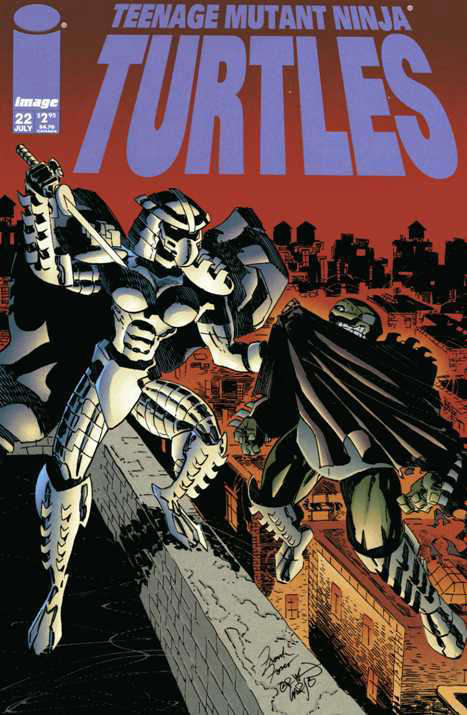

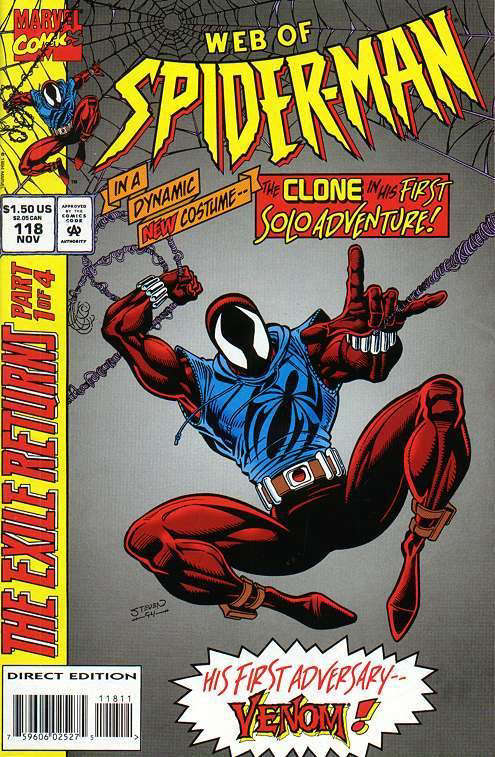
Values are raw Near Mint (9.4) estimates from live market data and change over time. Want a specific book? Look up any comic’s value.
The most valuable 1990s keys
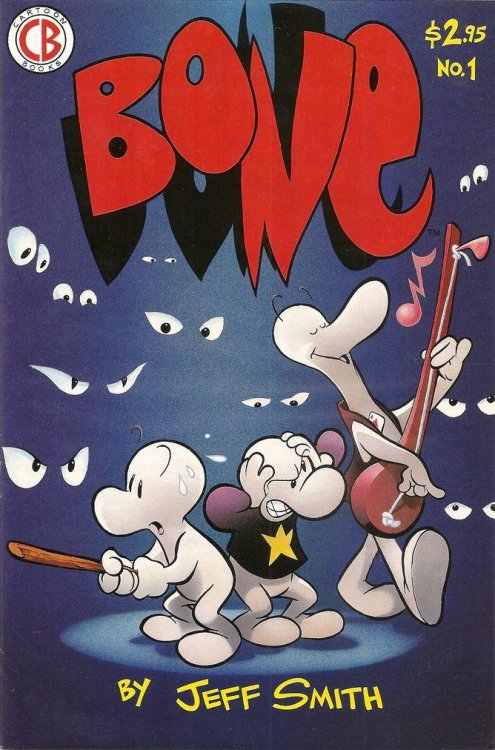
Bone #1 (1991) tops the decade — the self-published debut of Jeff Smith’s fantasy epic, printed in a tiny run before it grew into one of the best-selling independent comics ever. Its scarcity in high grade makes the first issue the decade’s most valuable book.
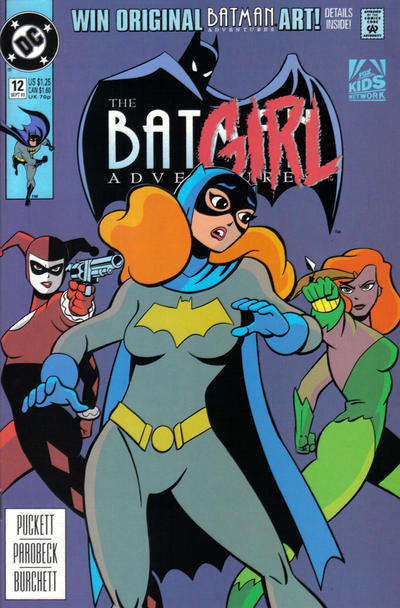
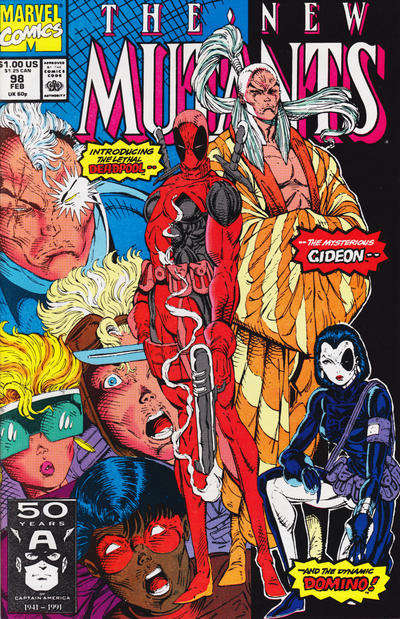
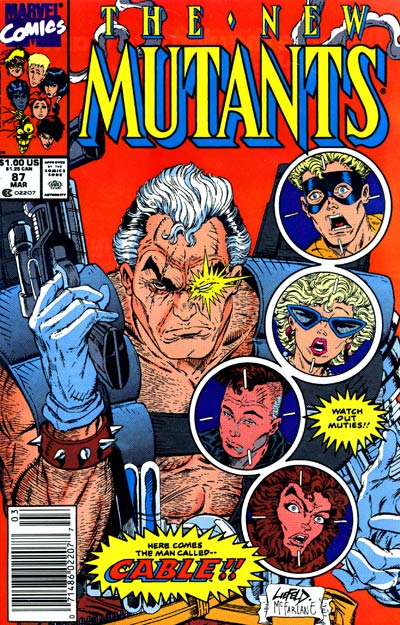
The marquee character keys follow close behind. The Batman Adventures #12 (1992) is the first appearance of Harley Quinn — created for Batman: The Animated Series, she crossed into comics here and became a defining modern key. The New Mutants #98 (1991) is the first Deadpool, whose two blockbuster films made it the 90s book most collectors chase.
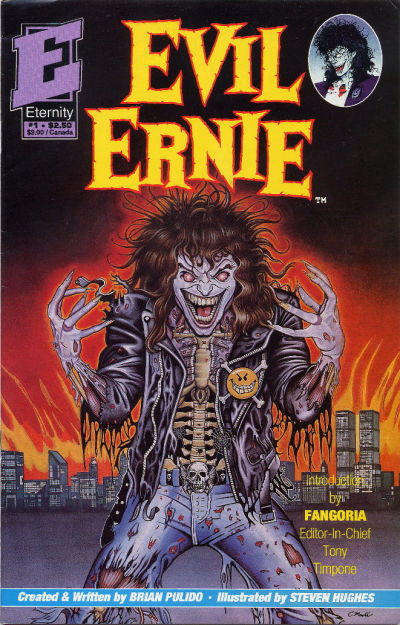
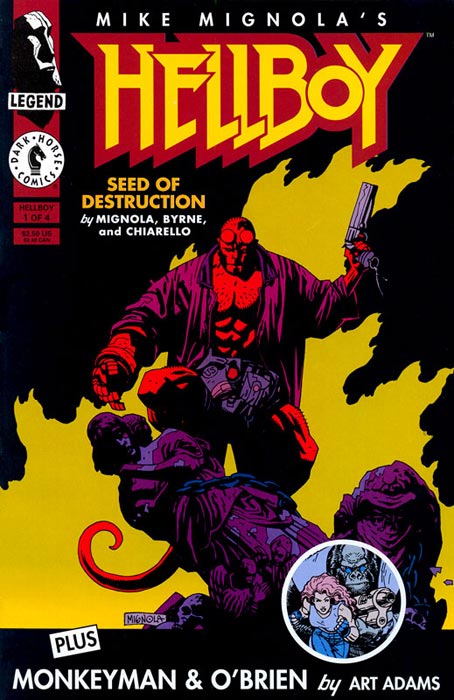
Indie debuts round out the top tier: Evil Ernie #1 (1992) is the first Lady Death, San Diego Comic Con Comics #2 (1992) hides the first Hellboy, and small-press first issues like The Goon and Madman command strong premiums thanks to their low print runs.
What makes a 1990s comic valuable
Three things drive 90s values. First appearances matter most — the debut of a character who becomes culturally significant. Print run matters next: unlike the scarce Golden and Silver Ages, mainstream 90s books were printed in the millions, so only genuine keys — and especially low-run indies — escape the glut. And catalysts — a movie, show, or game announcement — can move a book overnight, which is why the values here track the live market rather than a static annual guide.
Condition is decisive. Raw Near Mint (9.4) is the benchmark on this page; professionally graded (CGC) copies in high grades command large multiples over raw. Because 90s books are so common in mid grades, high-grade scarcity is often what separates a $20 book from a $200 one.
How these values are calculated
The figures here are raw Near Mint (9.4) values derived from recent sales and refreshed automatically — not a fixed annual guide. Click any issue for its full condition-by-grade breakdown, graded (CGC) values, and price history. Values are estimates and the market moves, so treat them as a current snapshot rather than a formal appraisal.
Frequently Asked Questions
What is the most valuable comic book from the 1990s?
As of October 2026, Bone (1991) #1 (first appearance of Fone Bone, Phoney Bone, Smiley Bone) is the most valuable, with a raw Near Mint value around $1,710.
Are 1990s comic books worth anything?
Most are not — the decade was massively overproduced. But key first appearances and scarce indie first issues hold real value; the books on this list range from around $150 to over $2,000 in raw Near Mint.
Why is the first appearance of Deadpool so valuable?
The New Mutants #98 (1991) is Deadpool’s debut. His two hit films turned a common early-90s book into one of the decade’s most sought-after keys, especially in high grade.
What is the most valuable Harley Quinn comic?
The Batman Adventures #12 (1992), her first comic appearance, is the most valuable — a modest animated tie-in that became a defining modern key.
Are graded (CGC) 90s comics worth more than raw copies?
Often dramatically. Because 90s books are common in mid grades, high-grade CGC copies can sell for many times the raw value. Click any issue for its graded pricing.
How often do these values update?
Automatically, from live market data — so this list reflects the current market, not a static annual guide.