The 25 Most Valuable Marvel Comics
Marvel has produced some of the most valuable and important comic books ever printed — from its 1939 Golden Age debut to the Silver Age explosion that created Spider-Man, the X-Men, and the Fantastic Four. Below are the most valuable Marvel comics, ranked by current raw Near Mint (9.4) value and refreshed automatically from live market data.
This guide spans the entire company — from its earliest days as Timely Comics, through the Atlas era, to the modern Marvel age — so the top of the list is dominated by scarce Golden and Silver Age first appearances.
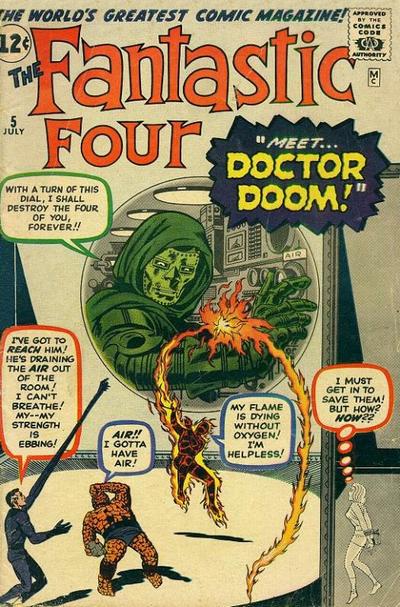
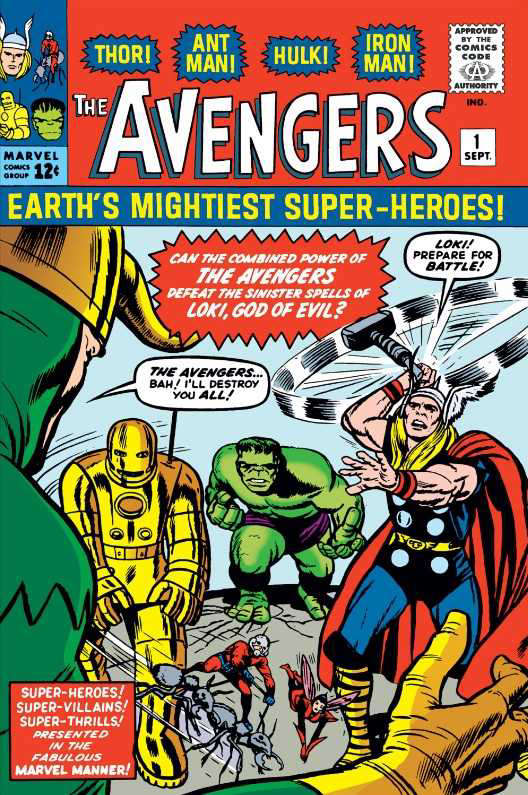
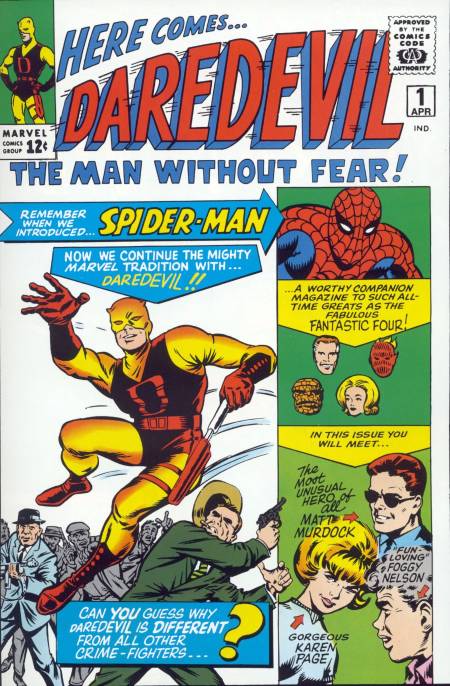
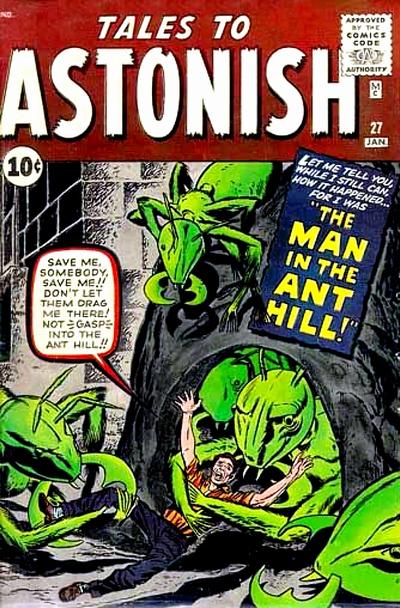
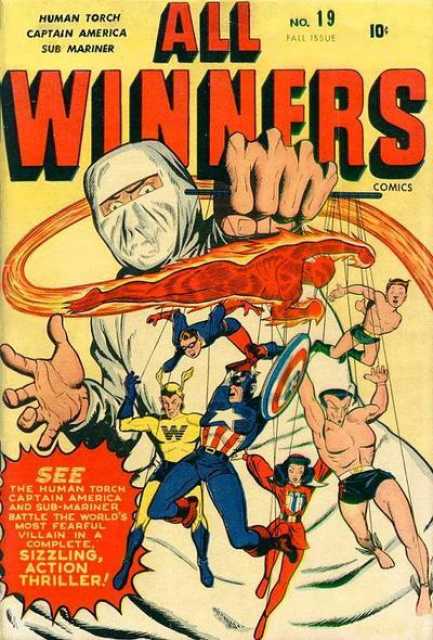
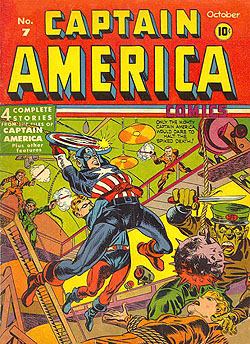
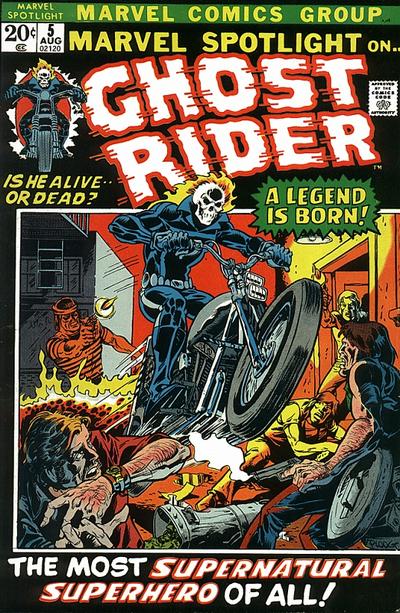
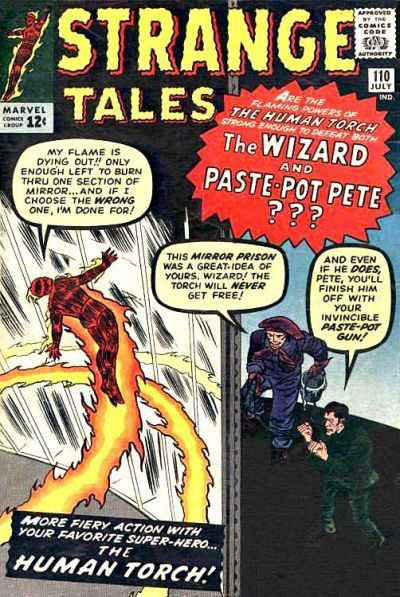
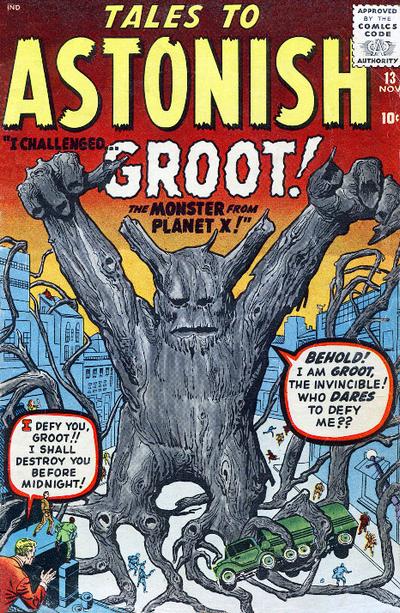
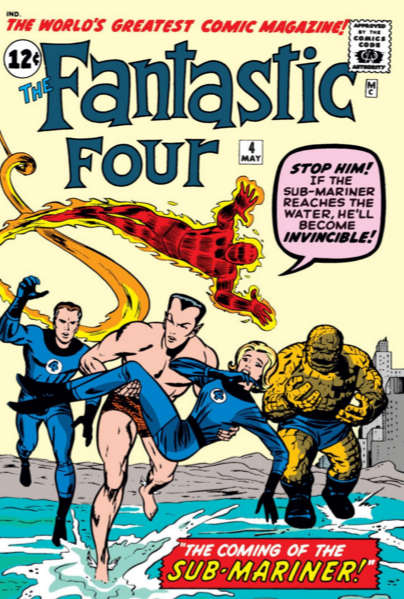
Values are raw Near Mint (9.4) estimates from live market data and change over time. Want a specific book? Look up any comic’s value.
The most valuable Marvel keys
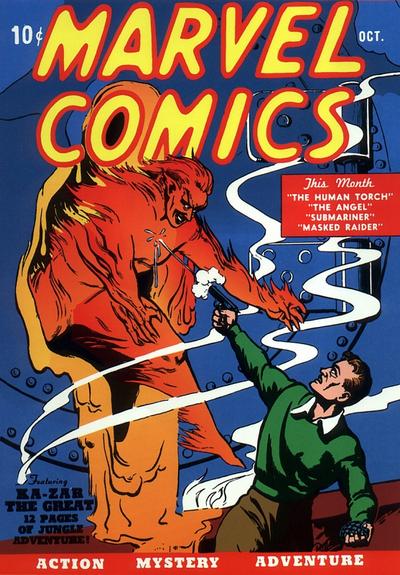
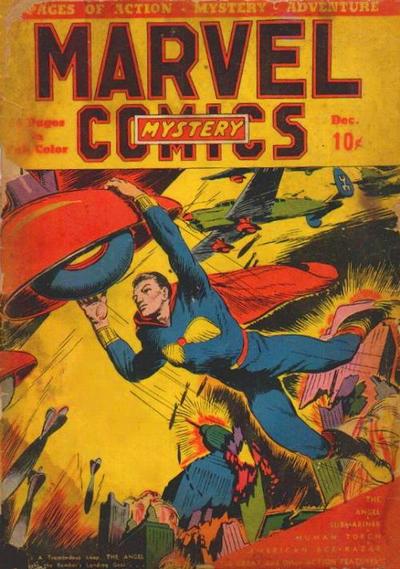
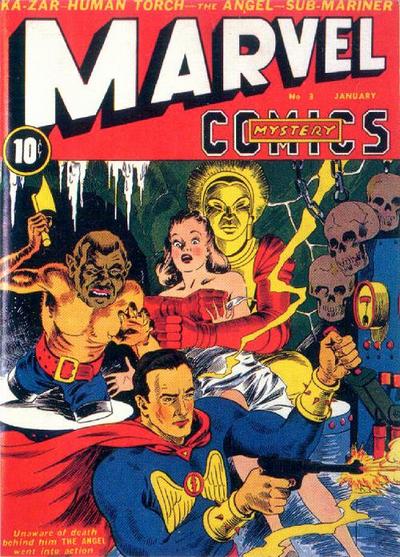
Marvel Comics #1 (1939) leads the publisher — the very first comic from what would become Marvel, featuring the original Human Torch and the Sub-Mariner. As the company’s foundational book, it’s one of the most valuable comics in existence.
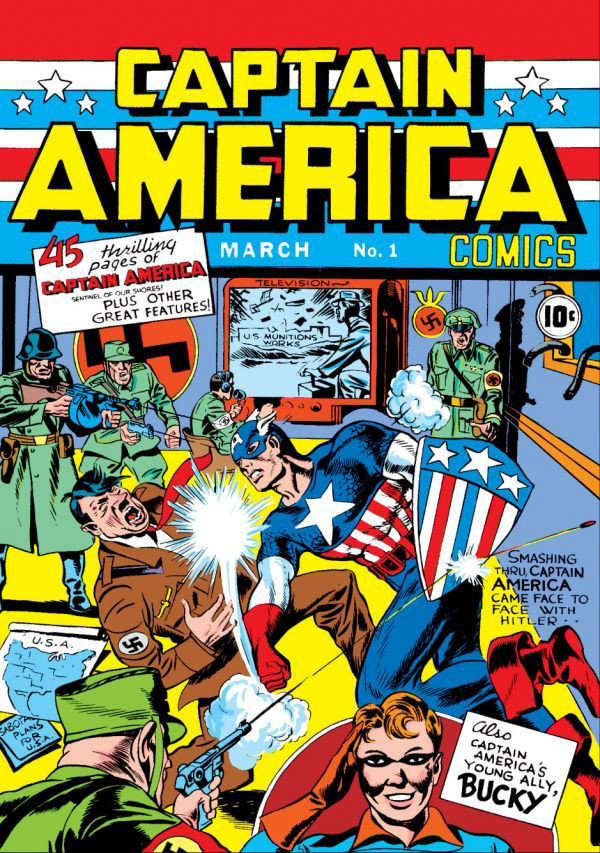
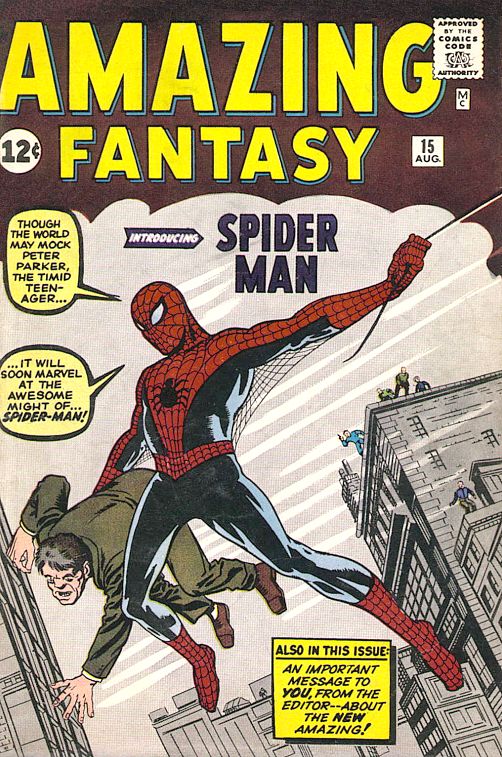
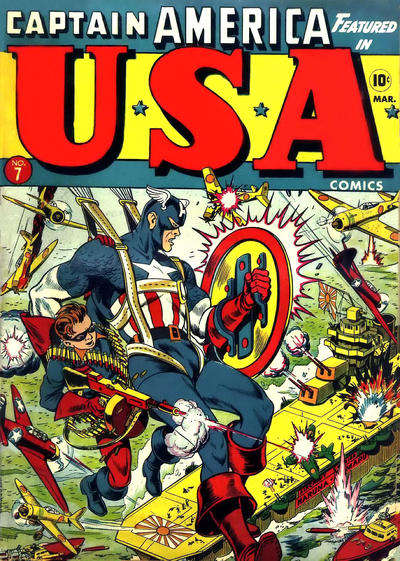
The marquee character keys follow: Amazing Fantasy #15 (1962) is the first appearance of Spider-Man — one of the most valuable comics of all — and Captain America Comics #1 (1941), from Marvel’s Timely era, introduces Cap, Bucky, and the Red Skull.
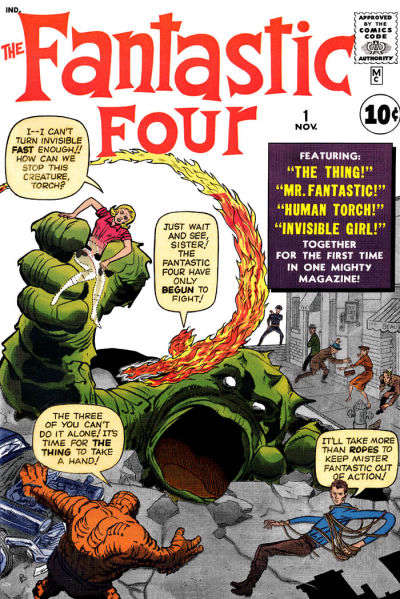
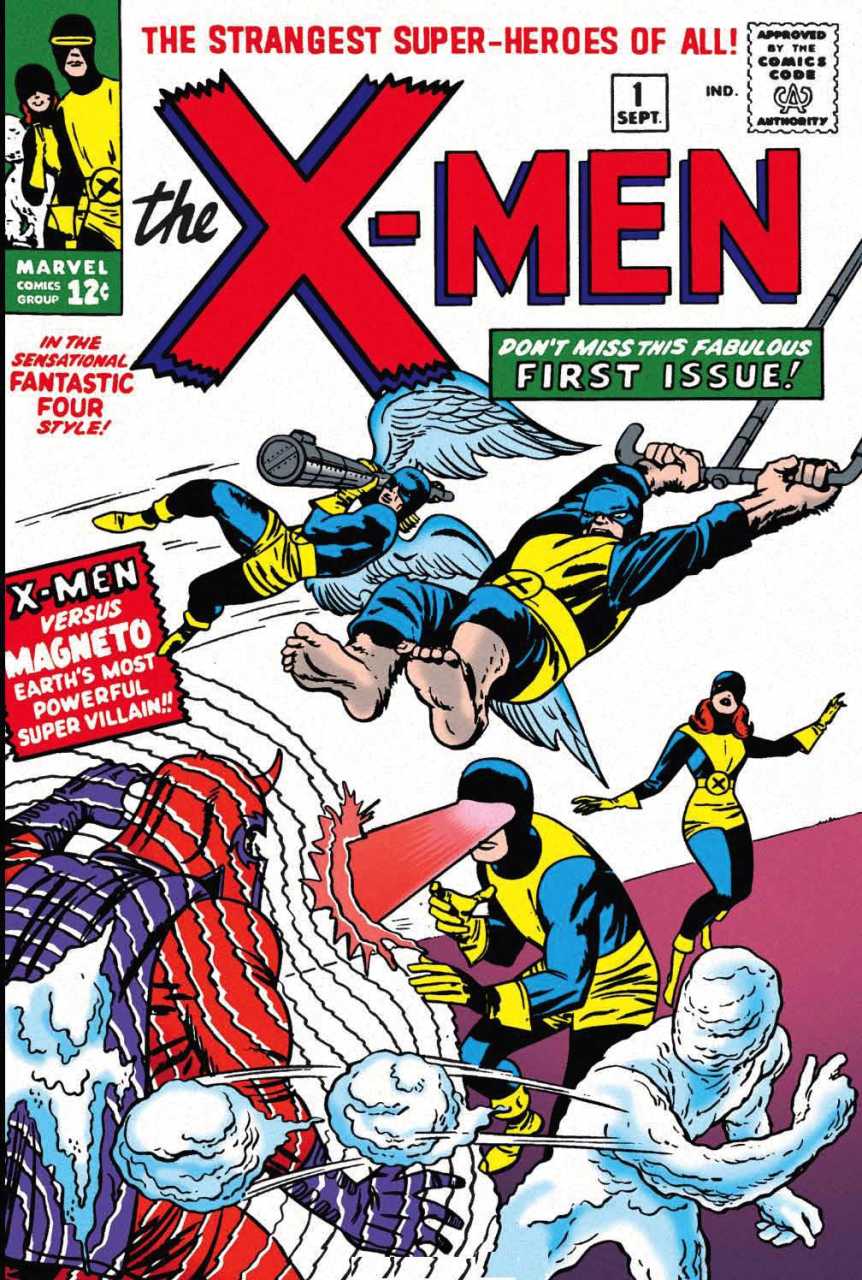
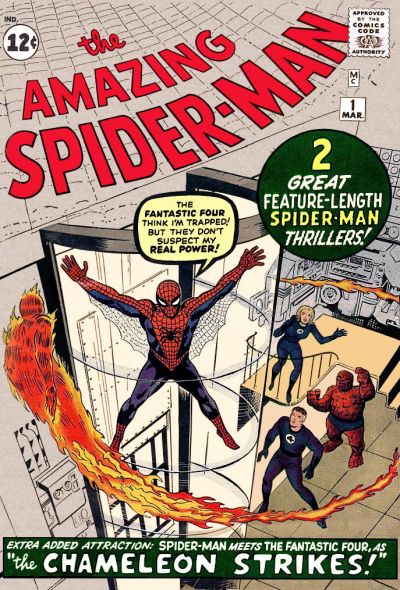
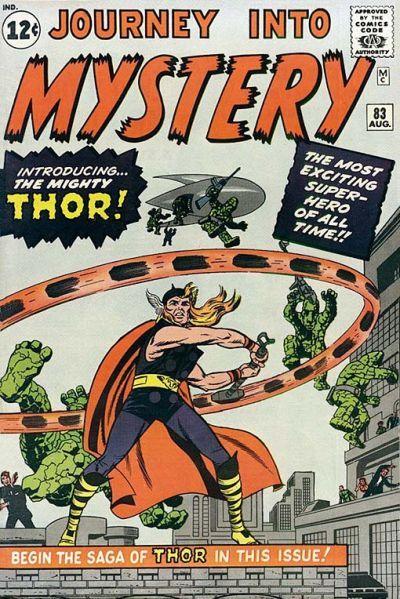
The Marvel Universe’s foundation fills out the top tier: Fantastic Four #1 (1961) launched the Marvel Age, The X-Men #1 and The Amazing Spider-Man #1 (both 1963) started two of the biggest franchises in entertainment, and Journey into Mystery #83 (1962) introduced Thor.
What makes a Marvel comic valuable
Marvel value is driven by first appearances and age. The company’s Golden Age books (published as Timely) are extremely scarce, and its Silver Age debuts created the characters that now headline the biggest films in the world — so demand vastly outstrips supply for the top keys.
Condition is decisive. Raw Near Mint (9.4) is the benchmark shown here; professionally graded (CGC) copies of the earliest keys trade at enormous premiums, and for books like Amazing Fantasy #15 the gap between grades can run into six or seven figures.
How these values are calculated
The figures here are raw Near Mint (9.4) values derived from recent sales and refreshed automatically — not a fixed annual guide. Click any issue for its full condition-by-grade breakdown, graded (CGC) values, and price history. Values are estimates and the market moves, so treat them as a current snapshot rather than a formal appraisal.
Frequently Asked Questions
What is the most valuable Marvel comic?
As of October 2026, Marvel Comics (1939) #1 (first appearance of The Human Torch (Jim Hammond), Sub-Mariner (Namor), Dorma, Ka-Zar (David Rand), Angel (Thomas Halloway), Jungle Terror, The Masked Raider (Jim Gardley)) is the most valuable, with a raw Near Mint value around $1,900,000.
Is Amazing Fantasy #15 the most valuable Marvel comic?
It’s the most valuable Silver Age Marvel comic and Spider-Man’s first appearance, but Marvel Comics #1 (1939) — the company’s first-ever book — is more valuable still.
What was Marvel called before it was Marvel?
Marvel began as Timely Comics in 1939 and published as Atlas Comics in the 1950s before adopting the Marvel name in the early 1960s. All of those eras are included in this guide.
Which Marvel comic is the first Fantastic Four?
Fantastic Four #1 (1961) is the first appearance of the Fantastic Four and the book that launched the Marvel Age of Comics.
Are graded (CGC) Marvel comics worth more than raw copies?
Almost always, and dramatically for the Golden and Silver Age keys. High-grade survivors are scarce, so CGC-certified copies command large premiums over raw. Click any issue for its graded pricing.
How often do these values update?
Automatically, from live market data — so this list reflects the current market, not a static annual guide.