The 25 Most Valuable Comic Books From the 1980s
The 1980s were comics’ creative renaissance — the decade of Watchmen, The Dark Knight Returns, and an indie boom that produced the Teenage Mutant Ninja Turtles. Print runs were smaller than the glut that followed, so genuine keys from this era are scarcer, and often more valuable, than their 90s counterparts. Below are the most valuable key 1980s comics, ranked by current raw Near Mint (9.4) value and refreshed automatically from live market data.
The decade’s value is driven by landmark first appearances — the debuts of Venom, Elektra, John Constantine, Deathstroke, and the Turtles among them.

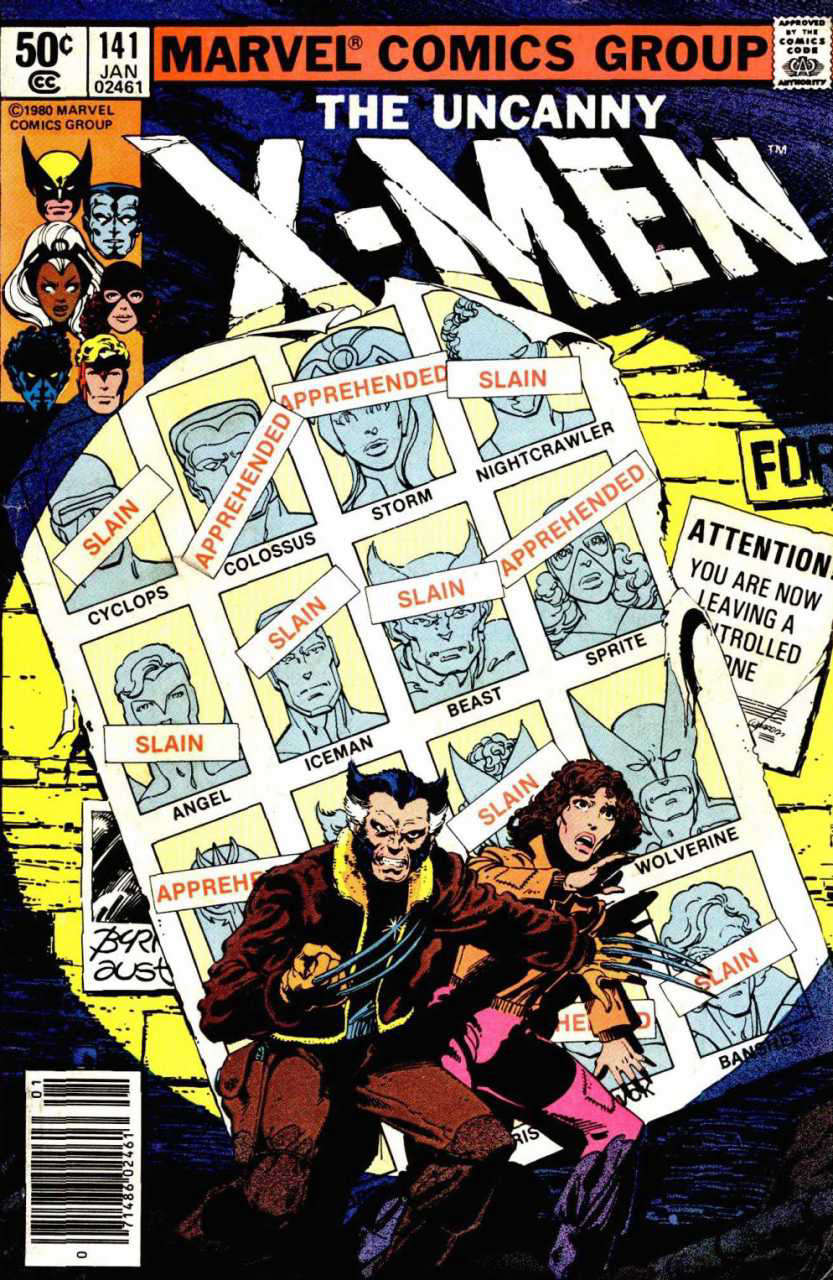
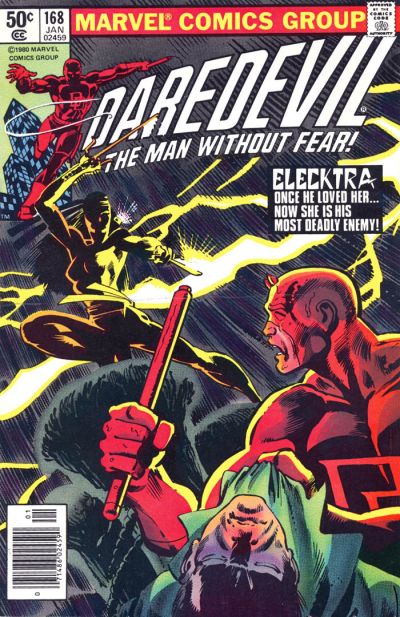
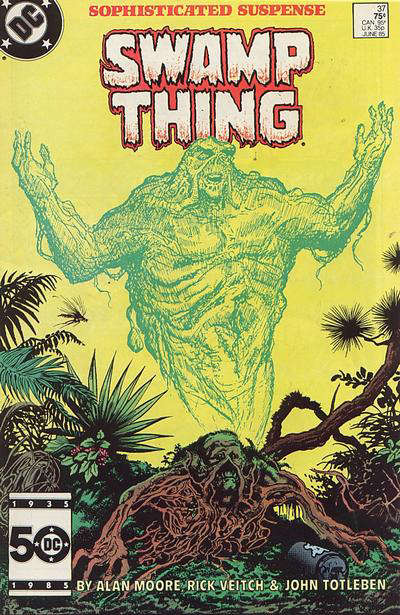
Values are raw Near Mint (9.4) estimates from live market data and change over time. Want a specific book? Look up any comic’s value.
The most valuable 1980s keys
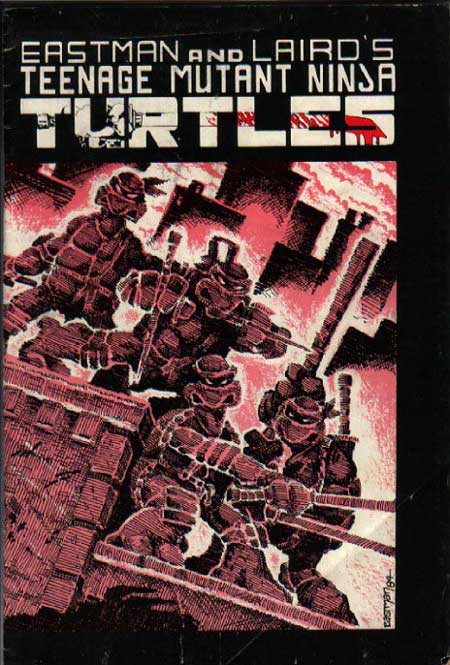
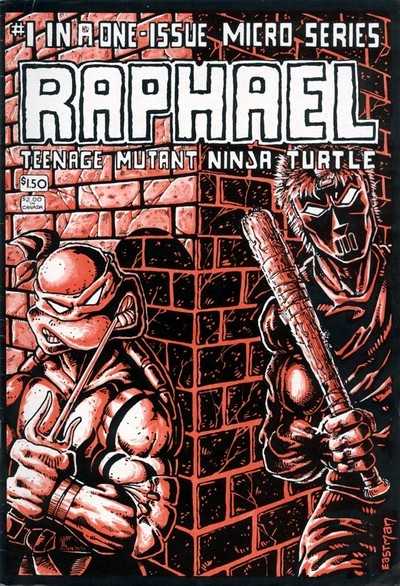
Teenage Mutant Ninja Turtles #1 (1984) leads the decade by a wide margin — the black-and-white indie debut of the Turtles from Mirage Studios, printed in a tiny run of roughly 3,000 copies and now one of the most important independent comics ever made.
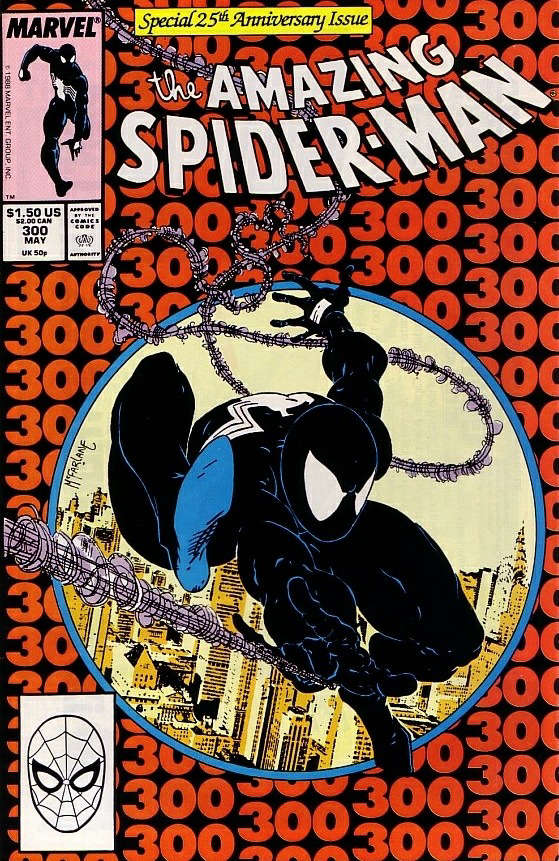
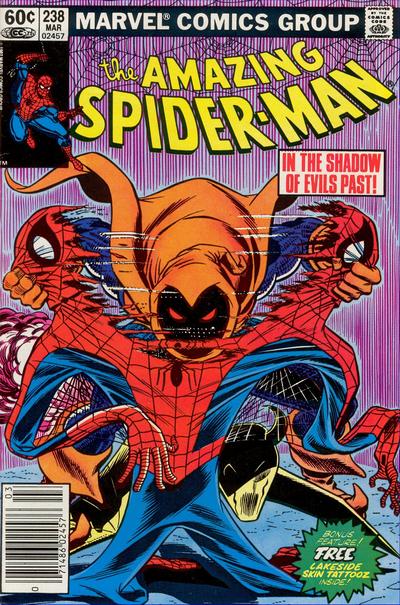
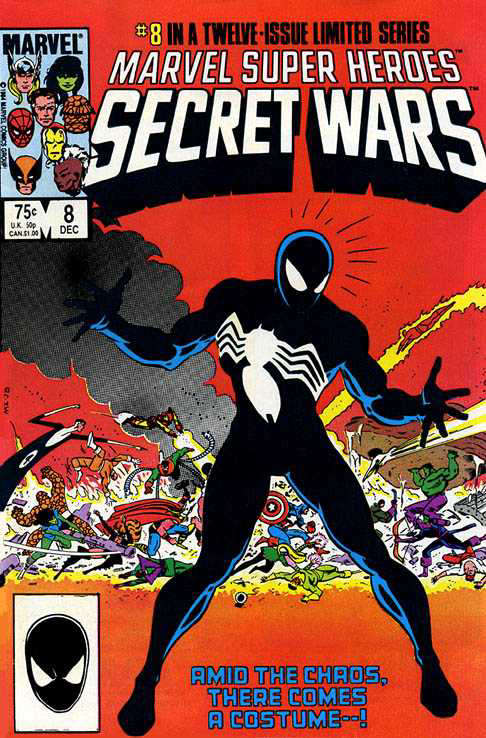
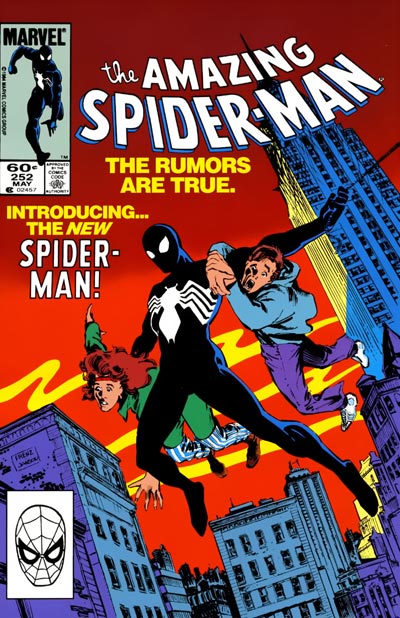
The decade’s marquee Marvel keys fill out the list: The Amazing Spider-Man #300 (1988) is the first full appearance of Venom and #252 (1984) introduces the black costume, while Daredevil #168 (1981) debuts Elektra and Wolverine #1 (1982) gives the character his first solo series.
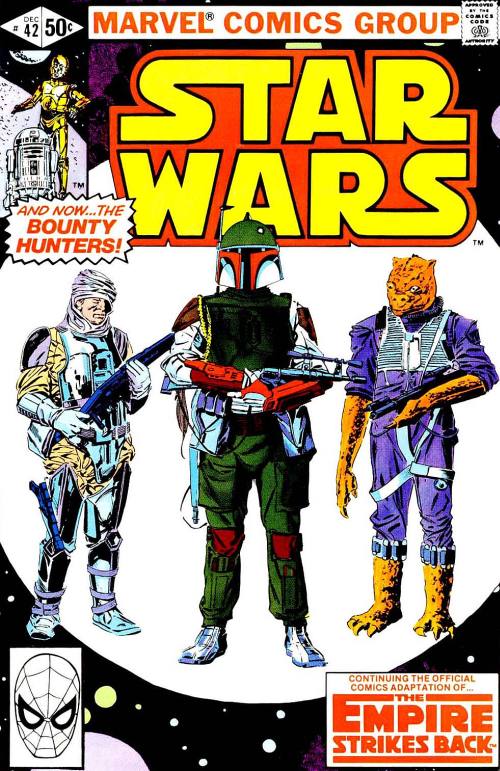
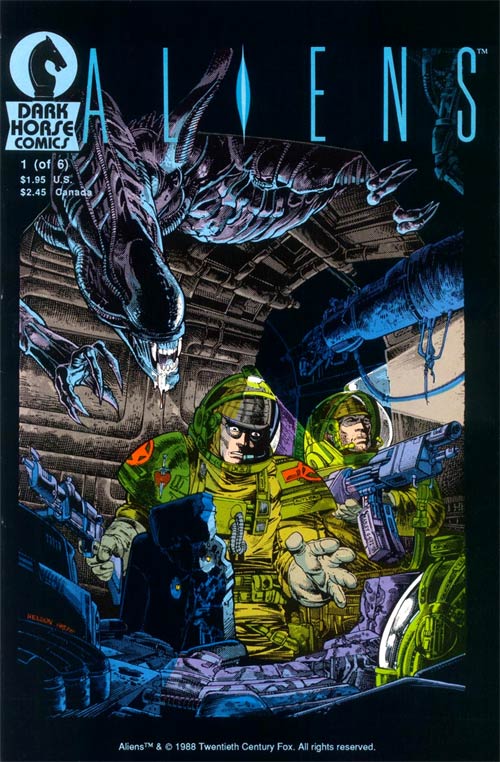
First appearances and format-defining books round it out — The Saga of the Swamp Thing #37 (1985) is the first John Constantine, The Sandman #1 (1989) introduces Neil Gaiman’s Morpheus, and Star Wars #42 (1980) marks Boba Fett’s first comic appearance, alongside sought-after debut issues like Aliens #1 and The Transformers #1.
What makes a 1980s comic valuable
Two forces set 80s keys apart. Scarcity: print runs were far smaller than the 90s speculation glut, and many indies (like TMNT #1) were printed in the low thousands, so high-grade survivors are genuinely rare. And significance: this was the decade of Venom, Elektra, Constantine and the graphic-novel era, so its first appearances carry lasting cultural weight.
As always, condition is decisive. Raw Near Mint (9.4) is the benchmark here; because 80s paper is older, top-grade copies are scarcer and professionally graded (CGC) high-grade examples command steep premiums over raw.
How these values are calculated
The figures here are raw Near Mint (9.4) values derived from recent sales and refreshed automatically — not a fixed annual guide. Click any issue for its full condition-by-grade breakdown, graded (CGC) values, and price history. Values are estimates and the market moves, so treat them as a current snapshot rather than a formal appraisal.
Frequently Asked Questions
What is the most valuable comic book from the 1980s?
As of October 2026, Teenage Mutant Ninja Turtles (1984) #1 (first appearance of Leonardo, Michaelangelo, Raphel, Donatello, Shredder, Splinter) is the most valuable, with a raw Near Mint value around $12,500.
Why is Teenage Mutant Ninja Turtles #1 so valuable?
TMNT #1 (1984) was self-published by Mirage Studios in a print run of about 3,000 copies. Its tiny run plus the Turtles’ massive success make it one of the most important and valuable independent comics — the most valuable book of the decade.
Why is Amazing Spider-Man #300 so valuable?
It’s the first full appearance of Venom (1988). Venom’s popularity across comics, film, and games has made #300 one of the most valuable and recognizable modern keys.
Are 1980s comics worth more than 1990s comics?
Often, yes. 1980s books had smaller print runs than the overproduced 90s, so genuine 80s keys tend to be scarcer in high grade and hold value better.
Are graded (CGC) 1980s comics worth more than raw copies?
Usually significantly. Older paper makes high-grade 80s copies scarcer, so CGC 9.6–9.8 examples can sell for large multiples over raw.
How often do these values update?
Automatically, from live market data — so this list reflects the current market, not a static annual guide.