The 25 Most Valuable Comic Books From the 1950s
The 1950s bridged the Golden and Silver Ages of comics. Superheroes faded early in the decade under anti-comics pressure, then roared back when DC reinvented the Flash in 1956 — the moment that launched the Silver Age. Below are the most valuable 1950s comic books, ranked by current raw Near Mint (9.4) value and refreshed automatically from live market data.
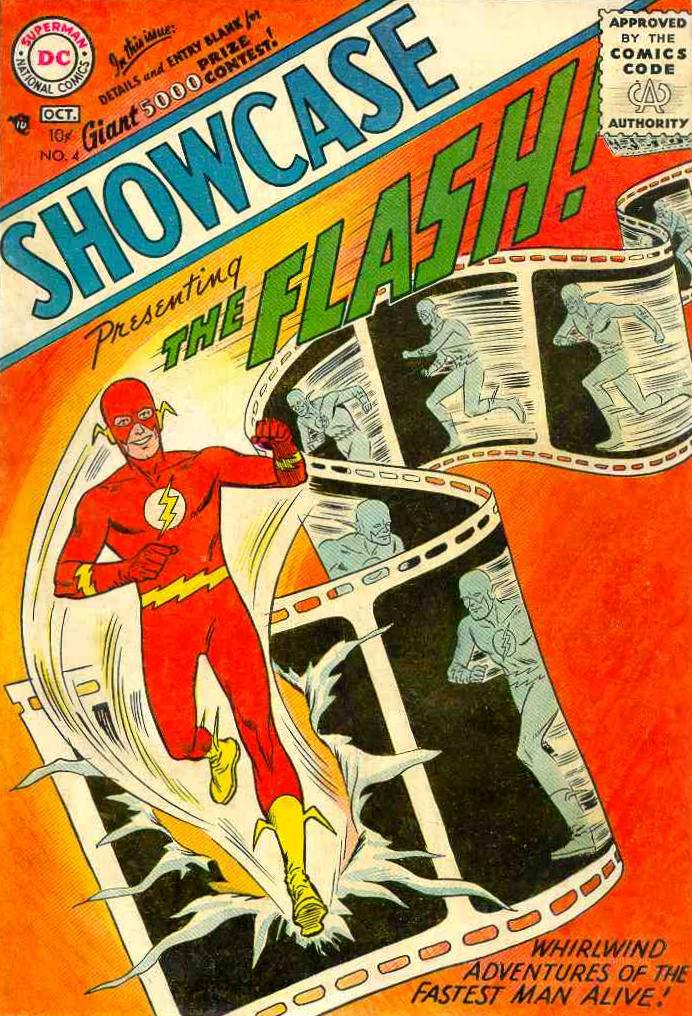
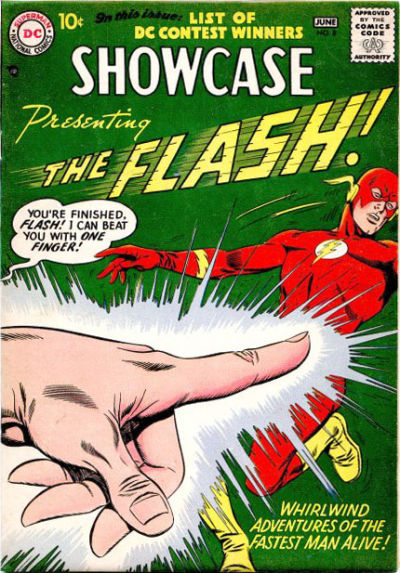
The decade’s most valuable books are the ones that started the superhero revival, led by Showcase #4 — widely regarded as the first Silver Age comic.
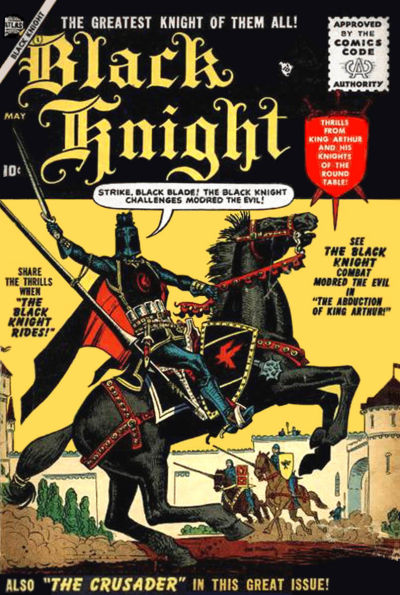
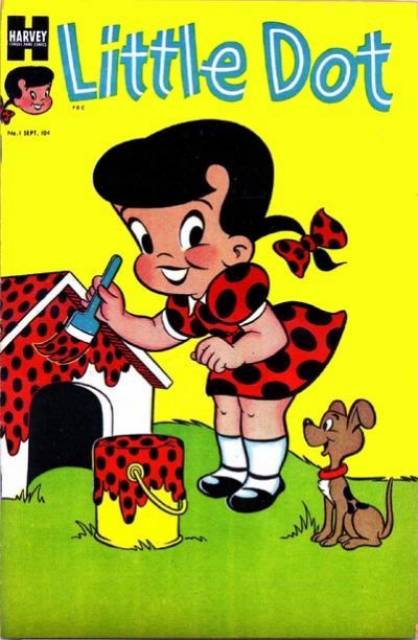
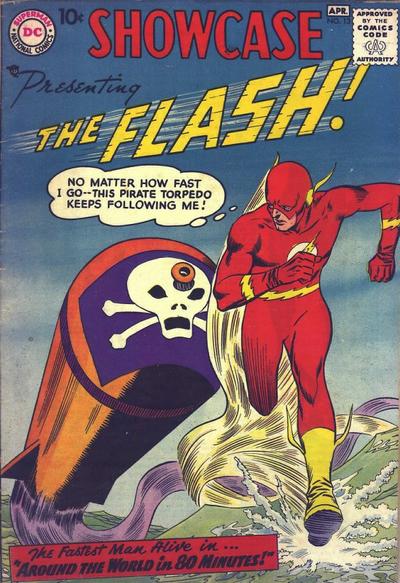
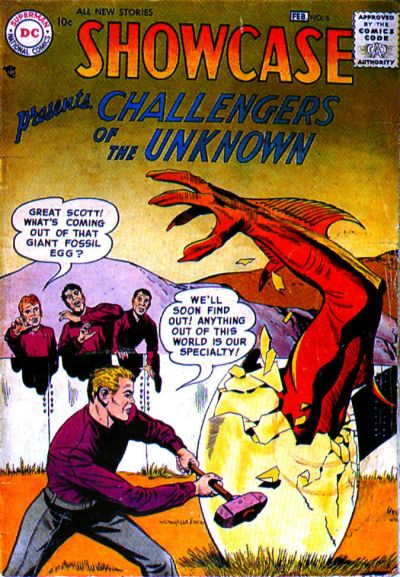
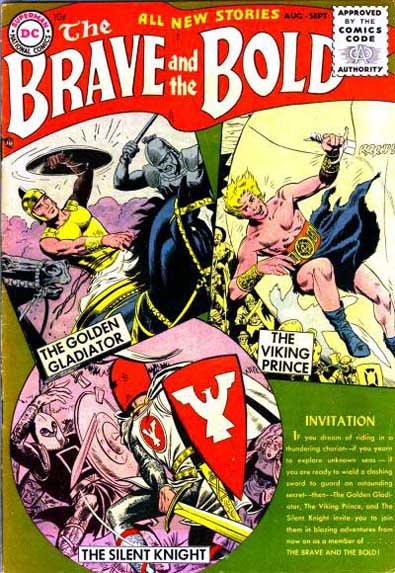

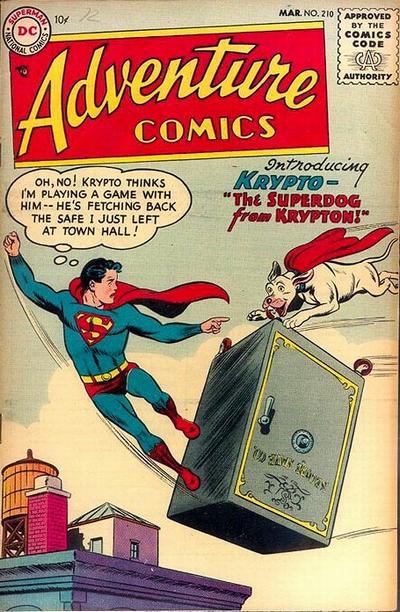
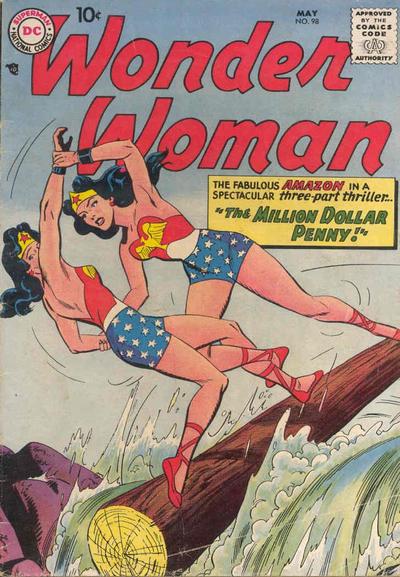
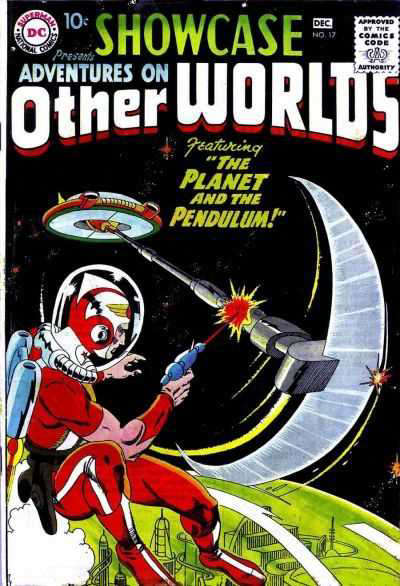
Values are raw Near Mint (9.4) estimates from live market data and change over time. Want a specific book? Look up any comic’s value.
The most valuable 1950s keys
Showcase #4 (1956) tops the decade — the first appearance of the Silver Age Flash (Barry Allen), and the book that ignited the Silver Age of comics. Its historical importance and scarcity make it one of the most valuable post-war keys.
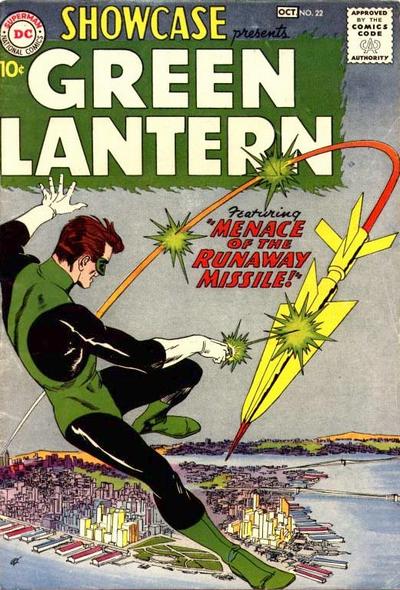
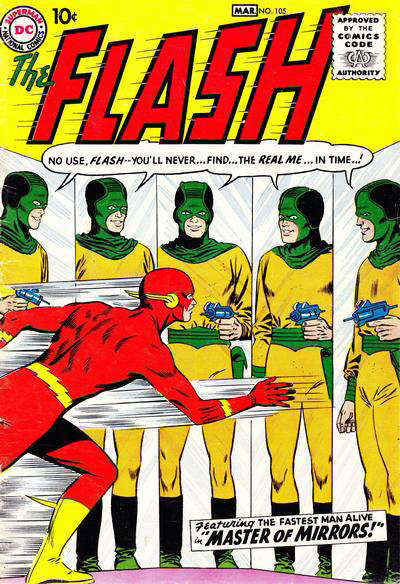
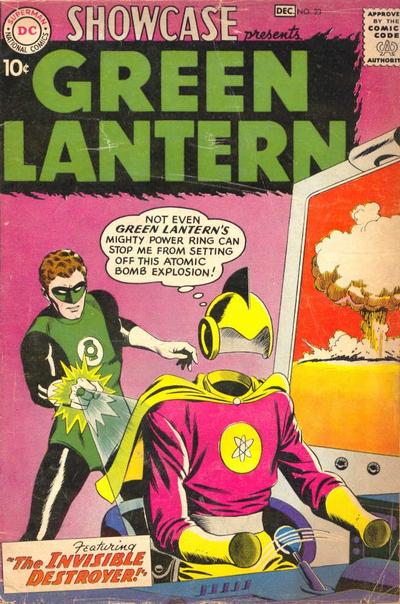
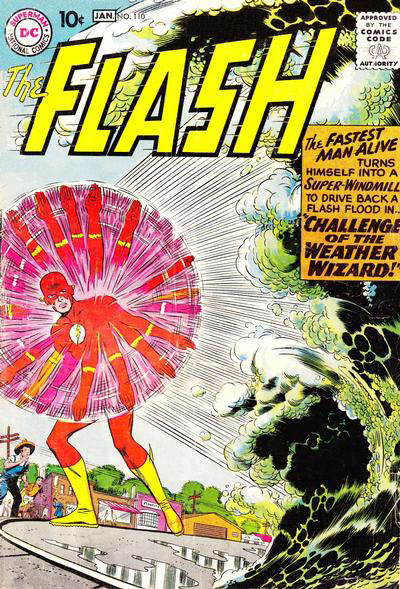
DC’s superhero revival dominates the rest: Showcase #22 (1959) is the first Silver Age Green Lantern (Hal Jordan), Showcase #8 (1957) the first Captain Cold, and The Flash #105 (1959) the first Mirror Master.
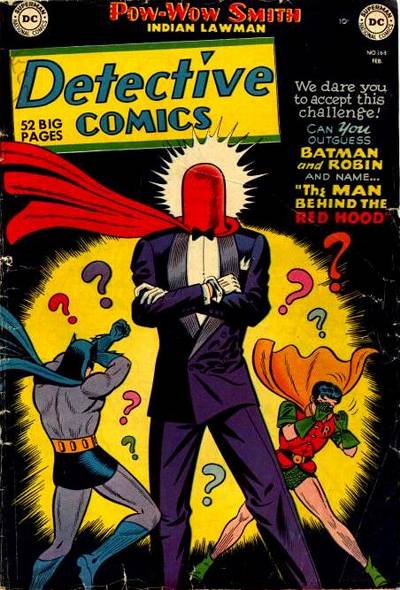
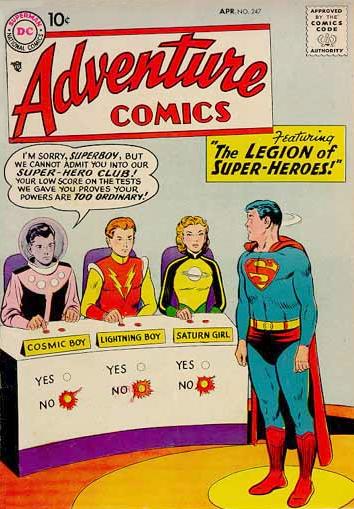
Other keys include Detective Comics #168 (1951), which gave the Joker his Red Hood origin, and Adventure Comics #247 (1958), the first appearance of the Legion of Super-Heroes.
What makes a 1950s comic valuable
1950s value centers on the Silver Age revival. After the superhero slump, DC’s late-50s reinventions — the Flash, Green Lantern, the Legion — relaunched the genre, and their first appearances are scarce and historically pivotal. (Pre-Code horror and crime comics from early in the decade are also collectible, though this list focuses on key first appearances.)
Condition is decisive. Raw Near Mint (9.4) is the benchmark here; high-grade professionally graded (CGC) copies of these keys trade at steep premiums.
How these values are calculated
The figures here are raw Near Mint (9.4) values derived from recent sales and refreshed automatically — not a fixed annual guide. Click any issue for its full condition-by-grade breakdown, graded (CGC) values, and price history. Values are estimates and the market moves, so treat them as a current snapshot rather than a formal appraisal.
Frequently Asked Questions
What is the most valuable comic book from the 1950s?
As of October 2026, Showcase (1956) #4 (first appearance of Flash (Barry Allen), Iris West, Turtle Man) is the most valuable, with a raw Near Mint value around $100,000.
What was the first Silver Age comic?
Showcase #4 (1956), the first appearance of the Silver Age Flash (Barry Allen), is widely regarded as the first Silver Age comic — and it’s the most valuable 1950s book on this list.
Why did superheroes decline in the 1950s?
Anti-comics sentiment and the 1954 Comics Code curtailed many titles, and reader interest shifted to crime, horror, and romance — until DC revived the superhero with the Flash in 1956.
Are graded (CGC) 1950s comics worth more than raw copies?
Usually significantly. High-grade survivors are scarce, so CGC-certified copies of the key issues command large premiums over raw. Click any issue for its graded pricing.
How often do these values update?
Automatically, from live market data — so this list reflects the current market, not a static annual guide.