TL;DR – The rise and fall of the comic book speculation bubble
- Easy-money mindset: “Buy two, sell one” thinking spread faster than real demand for the stories themselves.
- Manufactured scarcity: Gimmick covers, polybags, and endless #1s created the illusion of rarity while print runs soared.
- Overprinting: Massive supply met finite long-term demand, capping prices for most non-keys.
- Hype feedback loop: Media, price guides, and shop chatter amplified FOMO and short-term flipping.
- Liquidity dried up: When new buyers slowed, prices corrected quickly and inventory piled up.
- Not all losses: True keys, scarce indies, later-era newsstands, and ultra-high grades remained resilient.
- Core lesson: Real value needs durable demand, authentic scarcity, and condition that stands out.
- Data over buzz: Compare multiple recent comps, adjust for grade and edition, and ignore outliers.
- Risk controls: Set budgets, plan exits, and avoid chasing parabolic runs without fundamentals.
- Collect for joy: Nostalgia and curation win long term; speculation is a strategy, not a guarantee.
Collectors and investors believed that certain comics from that era would become highly valuable over time. This article delves into the rise and fall of the comic book speculation bubble, exploring the factors that fueled it and the lessons learned from this tumultuous period.
The Factors that Fueled the Speculation Bubble
The comic book speculation bubble was fueled by several factors. One of the main drivers was the introduction of variant covers, where multiple versions of the same issue were released with different cover artwork. Collectors and investors believed that these variants would become scarce and highly sought after. Additionally, publishers increased their printing quantities, flooding the market with excessive supply. This oversupply created a false sense of scarcity and inflated the perceived value of many comics. The rise of independent publishers further contributed to the frenzy, as collectors sought out new and potentially valuable series.
The Most Valuable Comics of the 90s
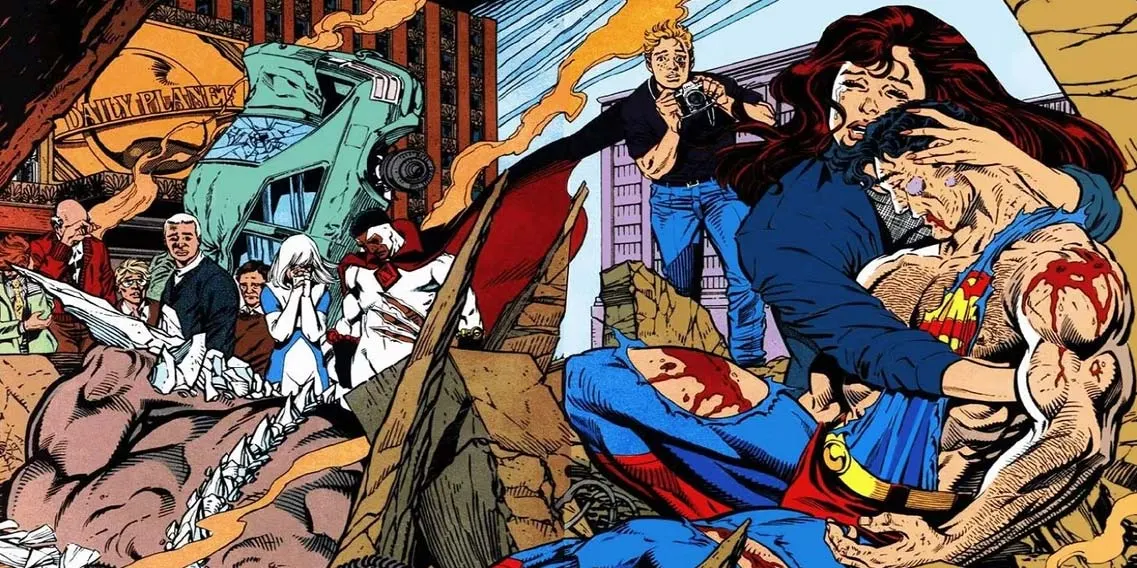
During the speculation bubble, certain comics from the 90s were deemed highly valuable. Examples included “X-Men #1″ by Chris Claremont and Jim Lee, “Spawn #1″ by Todd McFarlane, and “The Death of Superman” storyline. However, it is important to revisit these comics and assess their current market value. While some have retained their worth, many experienced a significant decline in value as the speculation bubble burst. It serves as a reminder that not all highly anticipated or hyped comics maintain their value over time.
The Reality Check
The Bursting of the Bubble: The comic book speculation bubble eventually burst, and the market faced a sharp decline in the perceived value of many 90s comics. Oversupply, changing consumer tastes, and the disillusionment of collectors all played a role in the downfall. As collectors realized that the majority of their investments did not yield the expected returns, interest in speculative buying waned. The market correction forced the industry to reassess its practices and focus on quality storytelling, character development, and artistic integrity.
Lessons Learned
The comic book speculation bubble offers several important lessons. First and foremost, it underscores the importance of enjoying comics for their storytelling and artistic merits rather than solely as investment opportunities. Quality content and engaging narratives stand the test of time, while speculation on future value remains uncertain. The bubble also highlights the need to prioritize creative integrity and reader engagement over short-term profit. The industry learned to refocus on the core elements that make comics unique and captivating.
The Lasting Impact on the Comic Book Industry
The comic book speculation bubble had a lasting impact on the industry. Publishers shifted their strategies to emphasize quality over quantity, putting more emphasis on character development, compelling narratives, and artistic innovation. The crash served as a wake-up call, prompting the industry to prioritize storytelling and reader satisfaction. New business models emerged, including creator-owned projects and a greater emphasis on diverse voices. Today’s comic book landscape reflects the lessons learned from the 90s, with a stronger focus on creative integrity and long-term sustainability.
Recommendations for Collectors and Readers
For collectors and readers navigating the current comic book market, it is crucial to focus on personal enjoyment, artistic appreciation, and supporting creators. Investing in comics solely for speculative purposes is risky and unpredictable. By embracing the art form for its storytelling and visual aesthetics, readers can find lasting enjoyment in comics while also supporting the industry and its talented creators.
Cautionary Tale
The comic book speculation bubble of the 90s remains a cautionary tale in the industry’s history. The rise and fall of this speculative frenzy demonstrated the dangers of prioritizing short-term investment potential over artistic quality and creative integrity. The lessons learned have reshaped the comic book landscape, resulting in a stronger emphasis on storytelling, character development, and reader engagement. By appreciating comics for their intrinsic value and enjoying them as works of art, readers can partake in the enduring magic of the medium while supporting its continued growth and evolution.
Comic speculation bubble FAQs
What caused the comic speculation bubble?
A surge of speculative buying, heavy overprinting, and marketing tactics like gimmick covers and multiple #1s outpaced real reader demand.
When did the bubble pop?
Momentum faded in the mid 1990s as new buyers slowed, liquidity thinned, and prices corrected on overprinted, non-key issues.
Are all 90s comics worthless now?
No. Many common issues have modest value, but select keys, low-print indies, later-era newsstands, and top grades can perform well.
Do polybagged “collector’s item” editions have extra value?
Sometimes sealed copies earn a small premium, but condition, edition, and true demand drive value more than packaging alone.
How can I spot a new bubble forming?
Watch for rapid price spikes without supply scarcity, buyers chasing headlines over comps, and heavy variant production outpacing demand.
What is the safest way to buy during hype?
Set a budget, buy only issues you would keep, require multiple recent comps for your exact grade and edition, and avoid paying for promises.
Should I grade books to protect value?
Grade keys and high-value candidates when the slab premium exceeds fees and time. For common, overprinted issues, grading rarely pays.
Are variants good investments?
Only when scarcity is real and demand is durable. Store exclusives and high-ratio variants without lasting interest may not hold premiums.
What is a sensible risk strategy for collectors?
Diversify across eras and types, avoid leverage, use stop rules for runaway prices, and keep a long-horizon core you love to own.
What are the lasting lessons from the bubble?
Value follows real demand plus authentic scarcity, grade matters, and disciplined comping beats hype. Collect intentionally and plan exits.